


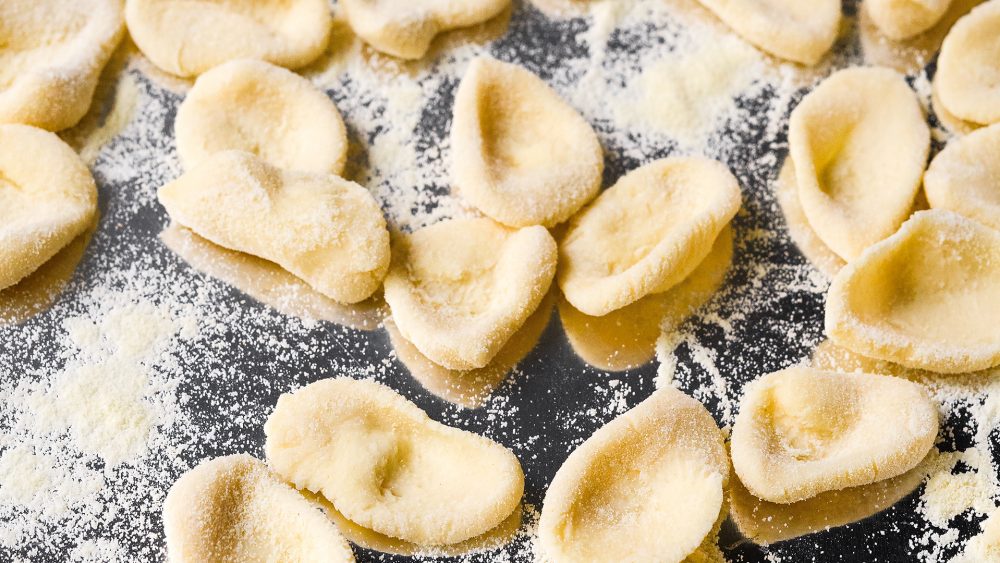
Our upcoming cookbook, “Milk Street Backroads Italy,” breaks down the process of making three pasta shapes at home, either completely with your hands or with nothing more than a fork, rolling pin and food processor. I enjoy making orecchiette—which translates to “little ears” in Italian—but try your hand at cavatelli or pici—a rustic rounded spaghetti—too.
Start with the right flour
Our pasta dough riffs on the classic composition of orecchiette, which usually is made from only semolina—a coarse, gluten-heavy flour milled from durum wheat. We use half semolina and half all-purpose flour. This split makes a dough that’s a dream to work with: soft and workable because of the AP, pliable and extensible because of the semolina, nicely structured, with a gently nutty flavor and pale yellow color. Semolina isn’t hard to find—I tend to have a bag around because I use it when baking bread. If you can’t find it locally, you can order it online.
No eggs, please
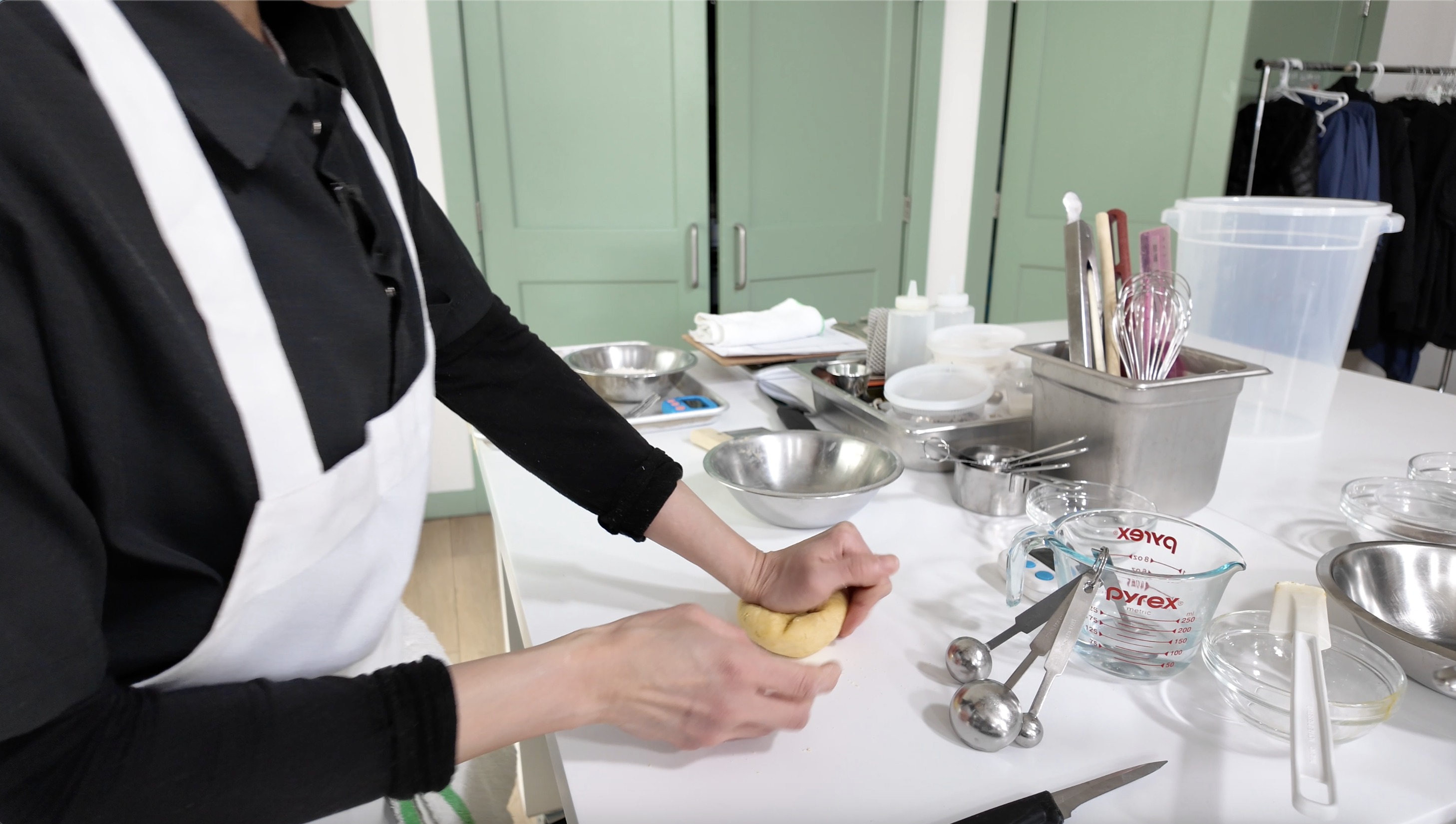
For these three handmade shapes, you’re going to make an eggless pasta dough, which is more typical of southern Italy. (Orecchiette hails from 13th-century Puglia, where eggs were not widely available.) The texture of the final pasta should be toothsome and robust; hand-shaped pastas are often a little thicker, more textured and sturdier than silky egg noodles; they not only allow sauce to cling to them, they also better hold their shape.
Take your time shaping your “little ears”
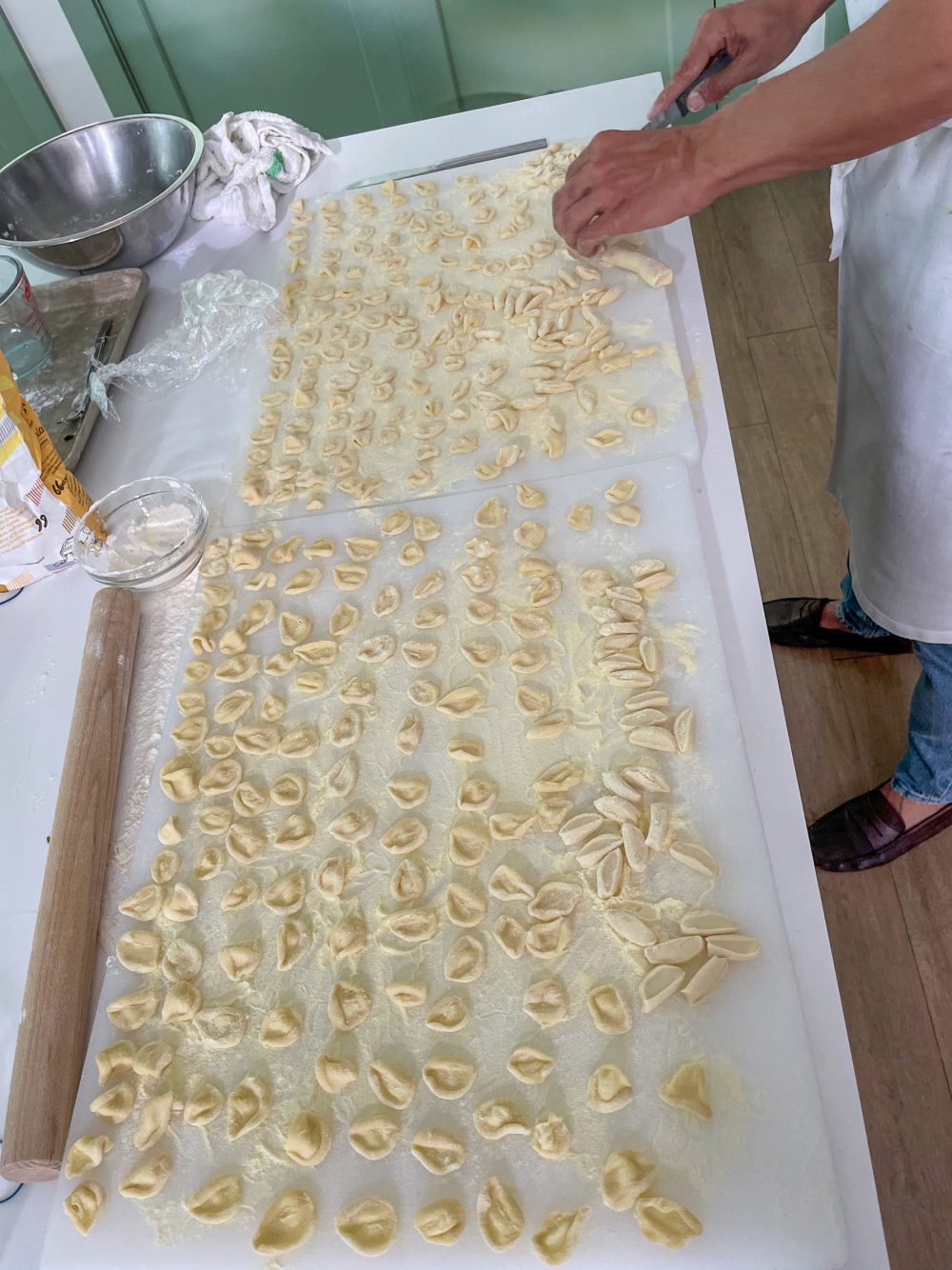
Even if you make your dough ahead of time and let it rest in the fridge for a few hours, bring it to room temperature before shaping. This prevents cracking while you form your shells. Shaping is relatively straightforward: Form the dough into ropes by rolling it between your palms, cut the ropes into quarter-inch pieces, then use the pad of your thumb to “rub’ each piece into a semolina-dusted counter so that a hollow curl forms. Voilà, a little ear!
To form cavatelli, perform the same dragging motion along the tines of a fork or against a gnocchi board (these are inexpensive online and a fun tool for several ridged pasta shapes). For pici, roll out your dough to a quarter-inch thick slab, slice into quarter-inch strips and roll each rope against the counter until long, rounded, rustic noodles form. For all of these shapes, don’t forget to dust your baking sheet with semolina or line it with parchment paper, and leave generous space between the formed pasta, so the strands and ears don't stick to each other or the baking sheet.
Don’t overcook it!
Join the conversation on Facebook, Instagram, TikTok and Pinterest.
And if you're looking for more Milk Street, check out our livestream cooking classes with our favorite chefs, home cooks and friends for global recipes, cooking methods and more.






