






Your email address is required to begin the subscription process. We will use it for customer service and other communications from Milk Street. You can unsubscribe from receiving our emails at any time.
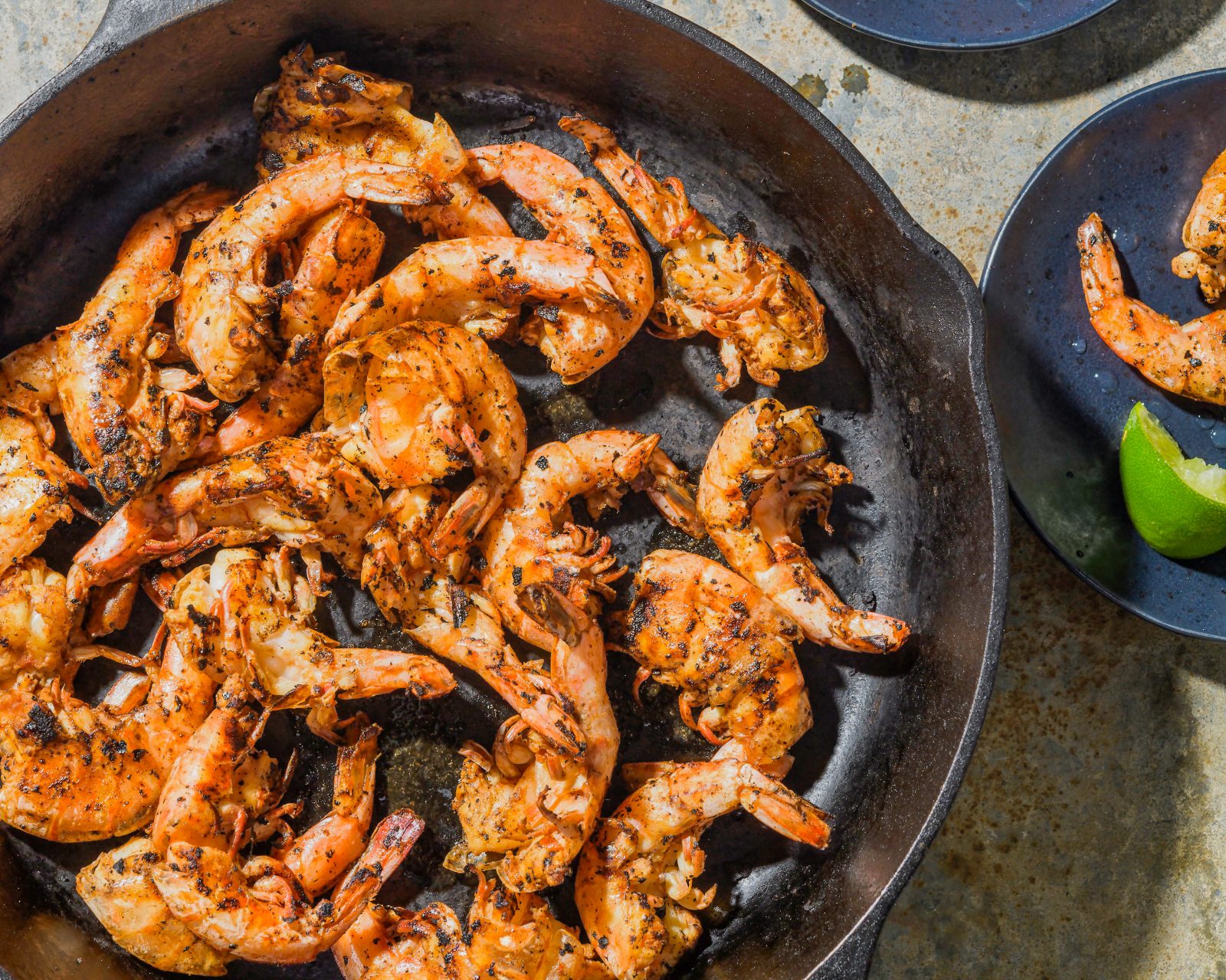
Butterflied “Grilled” Shrimp (Camarones Zarandeados)
Restaurante Bar Fernando, a casual outdoor eatery in the town of San Vicente in the state of Nayarit, Mexico, specializes in simple but expertly grilled seafood. With this recipe, food writer and recipe developer Paola Briseño-González replicates the restaurant’s deliciously briny, savory camarones zarandeados, or butterflied grilled shrimp. For ease and to make cooking doable no matter the season, she uses a cast-iron skillet. The pan’s steady, even heat delivers charring that mimics the smokiness of an outdoor grill. Before you toss the shrimp into the skillet, it’s a good idea to turn on the hood and/or open a window, as searing generates some smoke. It’s worth seeking out head-on, shell-on shrimp for this, as they are wonderfully succulent and full of flavor. If, however, they’re not an option, standard shell-on shrimp work nicely. So that butterflying isn’t too laborious, be sure to use ones that are at least 21/25 in size (the numbers indicate there are 21 to 25 shrimp per pound); 16/20s work, too. Serve with lots of napkins and ice-cold beer.
4
Servings
Tip
Don’t add the shrimp to the pan until the pan is smoking hot. High heat is key to getting a good, flavorful sear on the shells and doing so quickly so the shrimp remain tender and juicy.
45 minutes
plus marinating
Ingredients
-
1½
pounds extra-large (21/25 per pound) or jumbo (16/20 per pound) shell-on shrimp (see headnote)
-
2
teaspoons lime juice, plus lime wedges, to serve
Directions
-
01Butterfly each shrimp by inserting the tip of a sharp paring knife along the inside curvature at the base of the head, if using head-on shrimp, or at the head end if using standard shrimp; cut along the length of the shrimp to the tail end, but stop short of slicing all the way through so the shrimp is not fully split in 2. Leave the tail intact. Remove and discard the vein, if present, then open up the shrimp, laying it cut sides against the work surface and gently press with your fingers until the hinged side of the shell cracks.
Reviews
October 17, 2023
Clean the shrimp???
Watched this recipe on TV and noticed that the shrimp were never cleaned. Shouldn’t they be
Become A Subscriber To Rate and Review All Our Recipes.
Please Log in or join today for $1.
