





Your email address is required to begin the subscription process. We will use it for customer service and other communications from Milk Street. You can unsubscribe from receiving our emails at any time.
Episode 905
March 6, 2025
March 6, 2025
Restaurant Reviews That Bite Back: Pete Wells Speaks Up and Out
Pete Wells, former New York Times restaurant critic, joins us to look back on his most infamous reviews, plus why he blasted Guy Fieri’s Times Square restaurant but loved Señor Frog’s. Photojournalist Kate Medley reveals why some of the best food in the South is served at the gas station; we make Cantonese Stir-Fried Black Pepper Beef and Potatoes; and Chris and Sara Moulton answer listener calls.
Questions in this episode
"What constitutes a real Monte Cristo sandwich?"
"Can you help me with my homemade pad Thai recipe?"
"What do I risk when I lower the amount of sugar in a cookie recipe?"
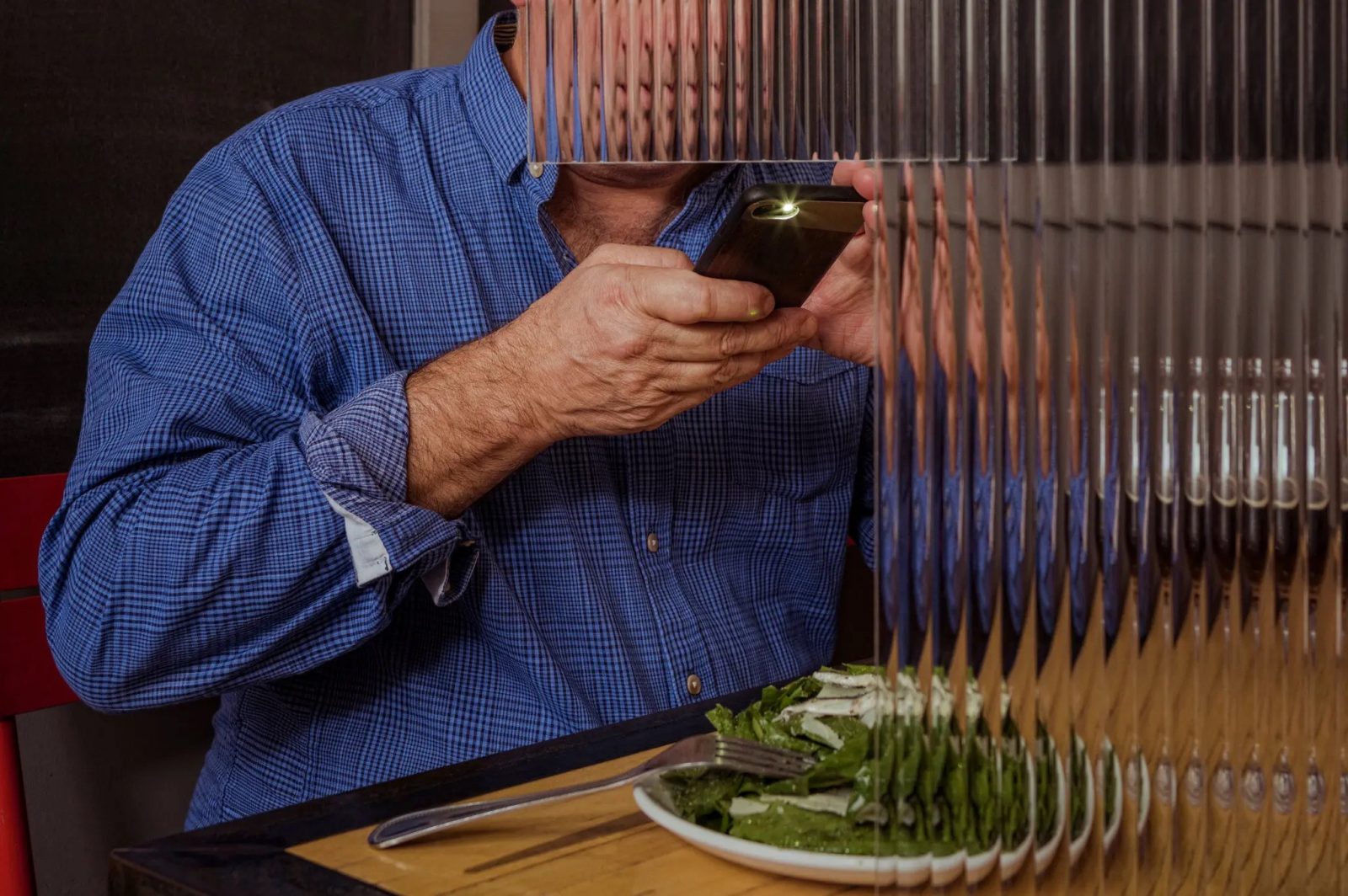
Christopher Kimball: This is Milk Street Radio from PRX, and I'm your host. Christopher Kimball. Last summer, New York Times critic Pete Wells did something surprising. He quit writing restaurant reviews today. He joins us to look back on his career, including his most famous review of Guy Fieri’s Times Square restaurant
Pete Wells: You know, I hope enough time has gone by that if I do run into him, he doesn't take a sock at my jaw, but, you know, he does, I'll understand.
CK: Plus, Pete makes me reconsider my big pet peeve restaurant noise.
PW: if you wanted to sit in complete silence, you could just sit at home, and you don't, you don't need to go out. If you go out, your kind of buying into other people.
CK: The world, according to Pete Wells, that's coming up later in the show. But first, it's time to answer your cooking questions with my co-host, Sara Moulton. Sara is, of course, the star of Sara's Weeknight Meals on public television, also author of Home Cooking 101. Sara, so this show, I'm interviewing Pete Wells, which was a great privilege for me, but you worked in restaurants like La Tulipe, and your opinion of restaurant critics may be slightly different than mine. So were you guys afraid of restaurant critics. Did you know what they look like? Did you have their photos on the wall in the kitchen? You know, did you have a plan in case one of them walked into the restaurant?
Sara Moulton: Well, I worked in several different restaurants. First of all, let me just pause and say, I love Pete Wells. I read every single thing he wrote, even if I wasn't remotely interested in the restaurant. He was just a great writer. I mean, I'd laugh out loud. It was wonderful. But I'll tell you, one of the most devastating things that ever happened to me is when I was a chef in Boston at Cybele’s, this restaurant over on the waterfront, and we just opened up and we had no exhaust system. All the money went to the front of the house. We hadn't gotten an exhaust system. We hadn't been cleared, but we had to open anyway, for whatever reason, everybody showed up that first night, and my sous chef was throwing up in the garbage pail. It was a horrible, horrible night. I knew it was going to be a horrible night, and I won't say his name. He's somebody who's still in the food business. (I know who you're talking about). Yeah. I mean, at the end of that evening, I just sat down and cried anyway, but he panned it, and I just felt like that's not fair. You don't go on night one. Pete Wells never did that.
CK: Well, Pete Wells said he goes three times to a restaurant, over a period of time
SM: Of course, and that's only fair. But by the time I got to La Tulipe she already had three stars from Mimi Sheridan, and I was just the chef tournan, you know, the substitute chef did a different job every day. I think we didn't worry. People just kept coming in and supporting her. I mean, James Beard used to dine there regularly. I remember Jackie O, all these people used to come. So no, we didn't worry. My guess
CK: My guess is, I don't know. I never worked in a restaurant, but a professional restaurant critic, I would vastly prefer that than Yelp. I mean, they're just like
SM: personal vendettas
CK: Totally useless.
SM: It's like the rest of the internet. You know, there's an awful lot of trolling going on.
CK: I wouldn't trust a Yelp review if you paid me, but you know, a guy like Pete Wells, okay, maybe you get a good review or bad review, but at least you know, he put the thought into it. And the other thing is, he respects restaurants and chefs and will take the time and effort to do what he considers to be a fair review. You may disagree with him, but he's not going to. (It's not slapping you) it's not personal. Yeah, it's not poisonal. So yeah, good for Pete Wells All right, let's take a call.
SM: We love him. Welcome to Milk Street, who's calling?
Caller: Hi. This is lane.
SM: Hi, Lane. Where are you calling from?
Caller: Libertyville, Illinois.
SM: How can we help you?
Caller: So, my question is regarding the origins and the official recipe for what a Monte Cristo sandwich would be. Me and my father constantly are you back and forth about what's on it, what's not on it, and I would like some clarification.
SM: Well, from what I understand, there's several variations. It's layered. There's couple slices of bread. Sometimes I think they're three, they're buttered, they're layered with cheese and ham or turkey, and then they're battered that, you know, it's like a cross between French toast and a grilled cheese, so it's dipped in batter and then sauteed and eaten hot. Does that sound about right?
Caller: Yes, and the argument stems from me having memories of it being just turkey, while my father only has memories of it just being ham.
SM: I'm not sure there's a definitive answer, except about the batter and the sauteing. I mean, the one that I remember, I worked at Gourmet magazine for 25 years, and oftentimes we would, you know, rerun old recipes from old restaurants, and one of them was from the Brown Derby, which was in Hollywood, and I think their version had ham, but I think I've seen it both ways. So, let's see if Chris has an opinion here.
CK: Look, it's basically called Croque Monsieur which is three slices of bread, ham and cheese or turkey between each slice. The French classically, will use a bechamel of some kind on top and then broil it, or whatever. I think the American version of what makes a monte Cristo is not whether it's turkey or ham, it's that it's dipped into a batter, which is not the same as Croque Monsieur, and then it's sauteed or whatever. I think that's the switch over, but I think it's based on a classic Croque Monsieur, which is very similar. The French always used ham, but it's just this is the American version of it, which is actually delicious
SM: Lane, I don't think we're going to solve this for you. I know sometimes people call and they want us to tell you that you're right, but I don't think that's going to happen here. I'm sorry
CK: Well, I do have one other thing. I just am reading The Count of Monte Cristo actually, oddly enough, I don't know if you've ever read the book, but it is so good.
SM: I don't think the sandwich is in there.
CK: I think it's absolutely hidden in there somewhere. Okay, just read the subtext anyway. So have a sandwich. Read the book. It's great.
Caller: Alright, I will do/
SM: We didn't solve it, but
Caller: No worries. I'm sure both of us being correct is perfectly an acceptable answer
SM: Yes, maybe even a better one. All right, thank you.
Caller: Thank you
SM: Bye. Take care.
CK: Bye. Welcome to Milk Street. Who's calling
Caller: Hi. My name is Jeanette.
CK: How can we help you?
Caller: One of my favorite pastimes is learning about and cooking authentic international cuisines. I previously lived in Boston and New York, and now I’ve moved to Louisiana, and while they do an excellent job occasion in Creole food, it's sometimes hard to find other authentic cuisines. So in particular, I love Thai food, and so I've tried my best to recreate Thai dishes, and in particular, Pad Thai in my own kitchen. I've spent a lot of time experimenting, and I just can't get the right ratio of that essential tetrad of the sweet, spicy, sour and salty. The other issue I'm having is the tamarind base is variable, and what I could find in the stores, sometimes I find pulp, sometimes concentrate, and I'm unsure how to dilute and make substitutions. So, any recommendations you have on that ratio the tamarind, any other tips or tricks for authentic Pad Thai would be appreciated.
CK: Well, either I'm lucky, you're lucky. We just got back from Bangkok, and we did this exact recipe. Among other things, it had the sweet, salty, spicy, sour mix. It was just really, really, really excellent. It's at Milk Street. You can find the recipe. As far as the tamarind goes, we did find we did not like the concentrates. They don't have enough depth of flavor and punch. So, we used the pulp instead, which you soak chunks of it or pieces of it in hot water for about 10 minutes and then put it through a strainer, so there's a little extra work there. But we found that had much more depth of flavor and had that sort of sourness, which you want, but you're right. Most recipes for Pad Thai really are not they don't have those four parts, and they're oily and a little sweet and unctuous. So, this recipe was phenomenal. I think this is the case where the real deal is really different than what we tend to get in a lot of restaurants.
Caller: Do you find that the type of oil that there's one preferred? I don't
CK: I don't remember what we used. I assume we just used a neutral oil. In general, we tend to use grape seed oil or sunflower oil, sort of our go to but it shouldn't be oily. The thing about the recipe that was remarkable was it was much drier. You know, it wasn't oily, which is what you tend to get here. So, this is also very fruity. It was just really good.
SM: I’m just going to add one thing, since you're having a hard time getting tamarind, again, I would look on the line to get the blocks of tamarind (right). It's semi dried blocks of pulp that you soak and then, you know, press through a sieve to get rid of the seeds and stuff. But I think you'll be able to find it online. I think that's a very, probably a very key ingredient.
CK: There's some recipes where you can take shortcuts and amend them. This is a recipe where you really need the right tamarind, because that's the basis of the recipe, (right). It's like red palm oil. Sometimes in West Africa, like Nigeria, there's certain recipes that they call for that, and you just can't substitute for it. So, I think this is a case where you have to get the good stuff, because that really will sink the recipe if you don't (right) Anyway, congratulations to you for wanting to do it right, because this is a recipe that's vastly different when it's done right first, (for sure).
Caller: Well, I think down here, it's harder to find an authentic Thai restaurant, so I had to take matters into my own hands. So, I appreciate all your tips so I could try to recreate it for myself in Louisiana.
CK: All the best. (Yes) good luck.
SM: Yes, we're rooting for you.
Caller: Thank you.
SM: Bye, bye.
CK: This is Milk Street Radio. If you're sick of takeout, please give us a ring anytime at 855-426-9843 one more time, 855-426-9843, or please email us at questions at Milk Street Radio.com. Welcome to Milk Street who's calling?
Caller: Hello this is Lucy
CK: How can we help you?
Caller: So, I've been working on my baking the last couple of years, and I've been working through Dory Greenspan's Cookies cookbook. I wanted to ask about sugar. I'm not necessarily looking for substitutes, but I have been kind of messing around with the quantity that the recipes ask for, and I'm trying to just lower it a little bit. I don't like things overly sweet sometimes. What am I risking by lowering the amount of sugar in just baking recipes?
CK: You are risking everything. Sugar first of all, you're absolutely right. A lot of older baking recipes had way too much sugar, and I don't like super sweet things, but sugar has a lot of chemistry to it. It attracts moisture, for example, and it does lots of other things. If you cream it with butter, and it aerates. So, what I would do, in what you probably have done is start reducing the sugar slowly, you know, take it down like 10 or 15% to start and see where you end up. But you have to be careful messing with sugar. It doesn't matter as much with, you know, a cobbler or something, with the sugar, it's just going to melt into a sauce. But if it's used in a baked good, where there's aeration going on. It attracts water and holds onto moisture. Better, then be careful. So, I would say, take it down 10 or 15% make the recipe taste it you want it less sweet. Take another 10% out. But don't take like 30, 40% out right away, because you could end up in trouble. Of all the things in cooking, sugar and baking is, you know, it's hard to predict what's going to happen. Also, cookies are 10 times dicier than cakes because they're small and slight variations. And leavening, amount of sugar, type of flour, can make a huge difference in crispy, chewy, flat, thick. I mean, Sara, I don't know, would you agree, but that's about the hardest thing in the world to get right.
SM: I agree with everything you said. Yeah. I also agree with both of you that sometimes, you know there's too much sugar just takes over and all you taste is the sugar. When you reduce the sugar a lot of times, you'll taste the other ingredients much more. But how much have you taken the sugar down, Lucy?
Caller: I've been playing around with just a chocolate chip cookie recipe. I figure that's kind of safe, and so I'll reduce it by, I think, 20 grams the white sugar, and then the brown sugar. I've kept the same. And then the next time I reduced the brown sugar, but kept the original recipe of the white sugar like a scientific thing, and I keep making notes on the side of the cookbook, you know, as for the texture
SM: Yeah. So, tell us what your findings are.
Caller: I found that if I keep the brown sugar at the same level, but reduce the white sugar, I've gone down to almost, I think, like 50 grams, reduced it, and it's been okay.
CK: What did the recipe call for in grams for white sugar?
Caller: Gosh, I think 150 and then another one is like 100 I may be getting my numbers mixed up, but so far, I've kept the brown sugar the same and reduced the white sugar a little bit, and I haven't noticed too much of a difference in terms of texture and softness. In fact, my husband has said these are some of the best chocolate chip cookies I've ever had, which was great praise after I've been working on my baking for years.
SM: That's lovely. Good for you.
CK: There is another trick you could try, which we do. A lot of bakers now are using different kinds of flours, so if you wanted to substitute maybe a third of the all-purpose flour with rye flour, rye’s a little bitter, and so that will offset the sweetness of the cookie. We actually make a chocolate chip cookie with rye flour. It's really good. The problem with all-purpose flour has no flavor, but rye flour has flavor, and it offsets sweetness with that slightly bitter undercurrent. So that's another way to deal with sweetness, is change out some of the flour for rye.
Caller: Fantastic.
SM: So, we're keeping you busy there. Lucy
CK: By the way, sounds like you could have a job at Milk Street. You're very scientific. I
Caller: I try to. I love just picking a recipe and kind of picking it apart and seeing what what I can do to it. So, it’s fun.
SM: Good question. Thank you.
CK: Take care.
Caller: Thank you. Bye,
SM: Bye.
CK: You're listening to Milk Street Radio when we continue the secret world of restaurant criticism with Pete Wells. you Chris. This is Milk Street Radio. I'm your host. Christopher Kimball. I'm joined now by Pete Wells. He was the New York Times chief restaurant critic from 2012 to 2024. Pete, welcome to Milk Street.
Pete Wells; Well, thank you, Chris,
CK: So, you walk into a restaurant, I walk into a restaurant. Are there things you notice? I'm sure I don't notice like I think most people can look around and go, like people are being abandoned at the table, or the waiter is nice or not nice. But I bet there are other things you pick up on. I don't well, I'm sure there are,
PW: Well. I bet you do pick up on them without being aware of it. I mean, I think a lot about just whether somebody's managing the room. There are restaurants where I'll be sitting around, and I'll just realize that nobody's really in charge, nobody's minding the shop, everybody's kind of off in their own world. And there's a table on the other side of the room that hasn't been cleared for 10 minutes. Just that sort of entropy. When you start to notice it, you realize that the whole room is kind of spinning out of control slowly, and that's not something you would necessarily notice as a civilian, until the entropy reaches your table, and suddenly you're the one who's not getting noticed and not getting served. But that kind of like, you know, is there an orchestra conductor here, like that is something I used to like, try to tune into consciously. And then there's, oh, there's just, you know, a million things that kind of go into whether you're having a good time. A lot of it has, I think, a lot about sound. And you know, where the speakers, you know
CK: Yeah, but you wrote, you shocked me. You defended loud restaurants. And I hate loud restaurants, is like it really bothers me
PW: I mean, I wonder. I mean, do you really do?
CK: Yeah, yeah. I do really, yeah.
PW: So, when you go out to eat, you choose quiet restaurants.
CK: No, no. I have a very simple rule. I have to be able to have a conversation with the person or people at my table, and I can be able to actually hear them.
PW: I think that's a good rule, and I think most people feel that way. It's a nightmare when you sit there and you can't hear one another, and eventually you give up and you just sit there grumpily waiting for the meal to end you know, I think most people feel that way, but I think there's a level of noise that can be sort of exhilarating. It's just that it has to be managed so that you hear the noise but it's not getting in the way of your conversation. That's the ideal, I think. Although I also like very quiet restaurants, they can be kind of groovy, you know, but a lively murmur in the background, as long as it's not blocking out what you're saying to me, what I'm saying to you. I think that's great. You know, if you wanted to sit in complete silence, you could just sit at home and turn the stereo off. You know, you don't you don't need to go out. If you go out, your kind of buying in to other people. Other people are going to mess up your peace and quiet just because they're there and they're having a good time. That's the sort of the essence of being in a restaurant.
CK: I'm going to bring this up, and you're just going to be sick of talking about it, the Guy Fieri review, which is was as famous a review as ever. But I bring it up in the context of two things. You said, it's hard to be funny if it's a really good restaurant, it's easier to be funny when it's not. It also brings up this balance. You know, restaurant reviews are there to provide information, right? I mean, that's part of it, but the other part, I think, is about good writing. And for those of our listeners who don't remember the review, one of my favorite bits was quote, just every time I read this is “the shapeless, structureless, baked Alaska, the droops and slumps and collapses while you eat it or don't eat it.” Love that “supposed to be a representation in sugar and eggs, of the experience of going insane, and then you write, why did the toasted marshmallow taste like fish?” And I just, I'm sorry you wouldn't read that in someone else's reviews. How did this review come about? How did this idea of writing large, as they say. Come into New York Times restaurant reviews?
PW: Well, I think it's the answer is right there in that passage you read that restaurant really did make me feel like I was losing my mind, because there were so many things wrong, more than I'd ever, ever seen in any other restaurant. They just things were missing from the plate. Things you know, like the marshmallows shouldn't taste like fish. The cooking sounded sort of delicious, but it would be really undelicious, and just on and on and on. And it was meant to be kind of an over-the-top experience anyway, because it was Guy Fieri, right? So, it's all sort of amped up on like nitroglycerin. And when you're trying for something that's over the top and you miss, you have a truly psychedelic experience. So, the review is trying to capture a bit of that complete bafflement. And the format, which was just a series of questions, came directly out of my notes, because I would just, I was just sitting there when I got home from the meal with boy, I have so many questions about this place. What is going on here? And after I had written this whole series of notes. There were questions. I thought, well, you know, this could actually become the review, you know, because I don't have answers to any of these questions. But boy, do I have questions.
CK: Yeah, but there was more. I got to give you more credit. It wasn't just you had questions and wrote a review with your questions. When you reviewed the burger with the donkey sauce, one of my other favorite phrases, did your mind touch the void for a minute? You know, look, this review was a break with a past. How did you get from a really weird cheeseburger to the mind touching the void? That seems like a pretty big leap of faith in the context of a restaurant review in the New York Times, I think.
PW: Well, there's the boring way to review that restaurant would have been to just list all the shortcomings, (right) Of which there were many, but it would have been kind of dismal reading, you know, true. And so, the the point where I started was, let me try to convey the confusion of this place without saying, boy, I'm confused, you know, let me actually try to create some of the sensation of confusion in the reader.
CK: By the way, I always wondered what happened to that restaurant after that review. My fantasy is, it didn't hurt sales at all. It just made him more famous. But did it? Did he close it down or?
PW: You know, I think it helped sales for a little while. I think so. I know a lot of I keep running into people who say, you know, I went to that restaurant, yeah, after you reviewed it, because I thought it couldn't possibly be as bad as you said. And I mean, I know people who went on dates there. So certainly made it more famous than it already was for sure.
CK: Do you ever run into Guy Fieri, after that?
PW: I've never. I've never run into him, you know, I hope enough time has gone by that if I do run into him, he doesn't take a sock on my jaw. But, you know, if he does, I'll understand.
CK: So how does it? How does reviewing actually work? You write that I do want to taste about 36 things at the minimum before I can write a review. You know, obviously you have friends come and share. So, then you have to rely on friends and family to tell you whether they like something or not. You can't actually taste everything. So how do you actually manage that process, and what's just the physical part of this job like?
PW: Well, I did, I did taste everything. It wasn't always easy to sort of get a meaningful taste of everything. And if you think about sort of, you know, very chefy food, you know, things that are highly composed, and there might be little, tiny, micro dots of sauce around the plate, and like a, you know, little square inch tile of duck skin over a piece of duck moose. It's really hard to split that four ways, right, and we would try right. So, I'd be confronted with one of these plates, and I would try to carve off exactly, you know, 1/4 of every little piece of it. But that's not how it's meant to be eaten. And I often was aware of just kind of not getting the experience that the chef wanted me to have. So that was challenging. But you know, with more normal, less constructed food, you really can eat it. And I think it's important to have more than one bite if you can, because in my experience, you know, the taste of a dish can change from the first bite to the last right, (and it should) it should change ideally. I mean, I think in kind of classical French, Italian, and sort of what we called New American food, the appetizers were designed to sort of make an instant impression. And in a way, like the your first bite kind of was the dish where the larger courses, main courses, were built for a long haul, right and was supposed to taste good from the beginning to the end, and sometimes it got better as you went along. So sort of a cliche in restaurant writing is, oh, the appetizers were better than the main courses, but I sometimes think that that's a misunderstanding of the purpose of the main course. You know, the main course is not necessarily there to dance a little routine for you the main the main course is built to be quieter and something that you can sort of savor for a few minutes, not just in one second.
CK: So, you go to a place that's beloved, you go to Peter Luger’s Steakhouse, you don't have a good experience. And you have to say some tough things about it. The Department of Motor Vehicles is a block party compared with the line of Peter Luger, or the shrimp cocktail has always tasted like whole latex dipped in ketchup and horseradish. So, I mean, you know, it was, it was harsh. How do you how do you deal with that? Do you try not to be as harsh as you could be?
PW: I did try to not be as harsh as I could have been with that. And I think all of the negative reviews, I think Alan Richmond, you know, who wrote about restaurants for GQ for a long time, said to me once that when he's writing a tough review, he determines in his mind, like, where to draw the line on how bad the experience was, and then he takes a couple of steps back from that, (yeah, that's fair) Right, because if you go all the way out and people, we're going to think you're you've got a vendetta or something. And with Peter Luger, you know, I do think that is, in some sense, a great restaurant. It used to be greater, I think. It's, I do think it's gone downhill, but it's still an experience. It's unlike any other you know, just the smell of the place when you walk in the door that beef fat and butter or smell just is just intoxicating, the energy of the place and the sound of these huge, you know, stoneware platters clanking down on these bare wood tables like it's just an amazing, amazing, just sensory experience. And sometimes you get a great steak, and sometimes you don't, you know, the side dishes I think were always awful but, you know, I tried to call out what I thought was great about the place, and I think it's at some point in there I said that, you know, by criticizing Peter Luger, I wasn't trying to suggest that other steak houses were better because other steak houses kind of don't matter in New York City, like Peter Luger is the one that matters.
CK: I'm going to give you my best restaurant experience in terms of what I enjoyed the most ever in my life, and then I'd like to hear from you. My best was a tiny little place on a K in Venice, little blue-collar place. You go in, and there was a woman who was running the front end of the place seated maybe 30, asked for a menu. They yell at you, like, there's no menu. Like they just, we have this, that and that, you get the food. The food's good, not fabulous, but solid. And then the next two hours, this woman is telling jokes. People stand up and sing. It was just this, this riot of a neighborhood restaurant,
PW: Yeah, for me, it's definitely, you know, there's a place in Paris that I love called Chez Denise, near Les Halles which is like, sort of, you know, been there forever. The last time I was there, I think that the toilet was still like a hole in the ground. They may have like sprung for porcelain fixtures since then, but
CK: Was there the rope you could hold on to or?
PW: I can't remember. And you know, the first time I went years ago, you know, everybody was smoking, of course, and just eating these planks of foie gras and kidneys and everything, everything just comes to this huge platter. And people would sit drinking, you know, cheap Beaujolais for hours and hours, and the room just had this incredible joyousness, you know. And when that comes together, that's one of the greatest experiences you can have.
CK: Yeah, I think that's, I think that's right. So it means a restaurant is a room where you have some extra ordinary experience that's not typical in the rest of your life, right? I mean, that's for me. I think. Isn't that's kind of what it is, right?
PW: Yes, and part of that, for me is this tension between the private experience that you're having at your table with your wife or your friend and the public experience of overhearing the people at the next table, and they're checking you out and you're checking them out and you're seeing somebody across the room getting a little too drunk and spilling spilling his wine on the tablecloth. And that is the genius of restaurants, that we can be out in public eating and having our own experience while sharing in a common experience. It's, it's just, I never thought the most brilliant thing,
CK: Yeah, that is that's very smart. Senor frog. Just, I didn't know anything about this, but could you just describe what you wrote about senior frog?
PW: Oh gosh, yes, Senor Frog is, is kind of a, it's sort of a spring break restaurant. I think the original was in Cancun or started in some center of Spring break-dome. And then they opened one in Times Square. And it was, it was sort of all wrong. It just had no business being in Times Square. And yet, I loved it. I mean, I just thought it was so mindless that it was kind of brilliant. You know, they're just, they had all these just crazy things where, you know, the cake that they would bring up, we lied and said it was somebody's birthday and and they sort of the whole staff came over into this sort of conga line over to the table with its cake with a sparkler on it. All the people who worked there were just extremely cheerful and good natured. It was just a sort of never thought I would be so won over by a place that just didn't have, like, you know, a single serious bone in its body. But that was Senor Frog.
CK: Well, I have to say, the image, quoting you, “I had already danced at a conga line wearing a three foot high crown of yellow and orange balloons that made me look like Simba in the production of Lion King staged by balloon animals. And then, further point of fact, I'd also eaten a foot long chili dog presented on a skateboard”. So, the fact that Pete Wells of The New York Times can dance in a conga line and eat a foot long jelly dog presented on a skateboard. Yeah? You know, it makes me, makes me feel like you do the full range of reviewing, and you're not afraid to go either direction.
PW: Well, (I mean, I have to say) yeah, if that's, I mean, there's quite a there's quite a range. I've never, ever, ever thought I would be reviewing a place like that. I never, I didn't really think we would have a place like that in New York, and we don't anymore. But, you know, look, if you can't have a good time in a restaurant, you really shouldn't be writing about them.
CK: Pete Wells, what a great pleasure. I really, really enjoyed our chat. Thank you.
PW: Thank you so much. It's been nice talking with you too.
CK: That was Pete Wells former critic and now reporter for the New York Times. You're listening to Milk Street Radio. I'm joined now by JM Hirsch to talk about this week's recipe, Cantonese stir-fried, black pepper, beef and potatoes. JM, how are you?
JM Hirsch: I'm doing great.
CK: So, what part of the world did you visit recently?
JMH: Too many to count but I was in Hong Kong recently, and I was eating my way around the city, and I was particularly interested in a certain class of eatery that is kind of a dying breed unfortunately, they're called dai pai dongs, and basically these are open air food stalls. And regulations have moved a lot of these folks indoors now, and the locals feel that this is a bit of a loss. There's something about the ambience and the style of cooking that really you can appreciate it a little bit more when it's street side. And I was going to say, when you see the woks that these folks work with, you understand why it belongs on the street. These things are so intense. And again, they've been mostly outlawed at this point. But the true, true wok style burners are these kerosene fueled burners that look like jet engines. And I was at this one place, Oi Man Sang kitchen, which just, it's one of these kind of raucous eateries that just kind of spills out into the street. The cooking is done in the street. Flames everywhere, food flying, waiters rushing around. It's an intense dining experience. And one of the best things I had there, I had so many great dishes there, I will say. But one of the best things I had there was this stir-fried black pepper beef and potatoes. It is basically Hong Kong's version of just meat and potatoes. And it sounds so simple, and it really was so insanely delicious.
CK: You know, one of the things I think about with that intense heat is timing, but also, how do you end up with ingredients that are cooked properly on the outside as well as the inside, right, because you'd have to get the pieces just right and the timing are just right. It's a little tricky.
JMH: It is. It is. And so, they do two things, and again, the ingredients for this recipe are blissfully simple. They start off with beef, which is cut into small cubes, which, of course, is important for such high speed, high heat cooking, and they coat it in a slurry of seasoning, with soy sauce, a little bit of sugar, which helps with the caramelization really quickly in that wok, and some Chow sing wine, but the key ingredient in the slurry is some baking soda, which helps tenderize the beef so that it's going to cook very quickly on the outside, sear on the outside and stay really nice and tender on the inside. Again, these are like little bite sized pieces. So, they cook fast, they stay tender, they sear well, and they take on lots of flavor from that soy sauce and sugar, which again, helps with that caramelization. Really fantastic. Now, the other side of that is the potatoes, because, of course, if you try to cook potatoes in a wok, you're going to be there for a while. So, they par cook their potatoes, which, of course, makes total sense. But then they do something else that really plays a key role in the finished texture of both the potatoes and the dish overall. They coat those par cooked potatoes in corn starch, which, as we know, crisps up with oil and heat. And so, the result is you get these perfectly crispy, really intensely wonderfully browned chunks of potato that are fluffy tender inside and then they're paired with this beautiful, seared and fork tender beef, all of it doused in tons and tons of black pepper. And then again, you've got that soy sauce and the sugar, and it is just such a simple and speedy dish that comes together in no time, especially when you're cooking with a wok like that. And it's just so delicious and so simple. And again, it's Hong Kong meat and potatoes. And I couldn't get enough of it.
CK: I would assume the beef and the potatoes are not cooked at the same time in the wok. Is that right, it's in stages?
JMH: Yeah, they, you know, as is classic, with a lot of wok style cooking, ingredients go in and out and then are recombined at the end. You know, you do one ingredient at a time, because each ingredient requires a different level of heat sometimes, but also a different duration in the wok to cook properly. And then, usually, things are brought back together at the finish. And oftentime, that's when like a sauce might be added, and so that's certainly the case here,
CK: JM, thank you. A fresh way of thinking about cooking meat and potatoes, probably with a lot more flavor and a lot less time. Thank you.
JMH: Thank you. You can get the recipe for Cantonese stir fried black pepper beef and potatoes at Milkstreetradio.com.
CK: You're listening to Milk Street Radio coming up why some of the best Food in the south is served at gas stations. You're listening to Milk Street Radio. Photojournalist Kate Medley has taken dozens of road trips across the south and she has stopped at over 150 gas stations along the way, not just to fuel up, but to sit down and actually have a meal. Kate documented the stories of these gas station eateries in her book. Thank you. Please Come Again. Kate, welcome to Milk Street
Kate Medley: Hi, Chris, thanks so much for having me.
CK: So, some things happen to gas stations, right? I mean, when I was a kid, you go to a gas station, and they had a garage and the guy. Would fix your car, change your oil or something. Today, I guess there are very few garages associated with gas stations. The next town over in New York state, from my place in Vermont, you know, Stewart's is the big thing up there. And that model is, you know, three pump stations and then a lot of convenience food and packaged food and everything else. So, it's a mini supermarket, but it seems to me, we're not talking about a Stewards here. We're talking about people who you said when you were in grad school in Mississippi, the local BP gas station had great Indian food. So, we're talking about people who are actually cooking real food, not some chain of convenience marts, right?
KM: We are talking about some of the best food available in the region. And I would argue that in some instances, we're talking about some of the greatest, up and coming chefs in the region getting their starts you know, in the backs of these gas stations that are pretty low barrier to entry. You know, they can start up their concept and test the market. But yeah, we're not. We're not just talking about like, ruffles and hot fries here. We're talking about full kitchens in the backs of gas stations where they're hand pounding tortillas for taqueria. They're fresh forming the biscuits. And it's, you know, some of the best food for miles.
CK: So instead of starting a little place on their own, the barrier to entry doing a gas station eatery is just lower financially, I guess. And plus, you have the built-in traffic,
KM: You have the built-in traffic, you have people who are stopping through, especially in the south, we're a very car-based culture. You have people who stop through the gas station on an almost daily basis. And one of the things that was really intriguing to me about this space as a lens for documenting the whole south is is that we all pass through on an almost daily basis, regardless of our background, regardless of the color of our skin, regardless of how much money we make, regardless of who we voted for for president. We pass through, we open this little glass door, and we hear the bell jingle, and there's a mystery of, you know, what will we find inside? Well, if we're lucky, we'll find a hot grill that's slinging delicious food, and we'll pull up a table, and, you know, sit beside people in our community. They've really become these community gathering spots for the region.
CK: According to your research, there almost 150,000 gas stations in the US, and over half are owned by immigrants. So was it surprising to you that people in the south just took to this food, Senegalese, Jollof rice, or all the different types of cuisines in India, etc. Or is you think that's very much part of Southern culture.
KM: I think it's increasingly part of Southern culture. I think it's a part of Southern culture that gets overlooked in the national rhetoric. But we are increasingly a global south. We're a region of immigrants, and that is represented in our food culture, and so in a lot of these gas stations, you're finding international foods. You mentioned the Senegalese place that I documented in Greensboro, North Carolina. It's called St Louis Saveurs, and it's run by a woman named _who first moved to the US for secondary education, and she opened St Louis Seveurs in the back of a Circle K used to be an old Dunkin Donuts space that she took over. So, as you arrive there, you still pull the Dunkin Donuts D door handle to enter into this, you know, sort of magical world of Senegalese food that she's created.
CK: So, I mean, restaurants, we've talked a lot about this on the show, but you know, are expensive now because of labor costs COVID, you know, post COVID and cost of ingredients has shot up. And so, whereas 20 years ago, you might go in a restaurant for 30 or $40 you could have dinner, and now it's double that or more. Are the same people who would go to a restaurant in Greensboro, North Carolina, be the same people who would go to the gas station and eat? Are people doing both? Or are these different segments of society?
KM: I think it depends a lot on where you are. I visited with a restaurant owner in Hammond, Louisiana, who owns an ice box gas station, and inside, as you walk in, instead of finding traditional convenience store offerings, you find his white tablecloth restaurant called Punjabi Daba, and he has set up his restaurant right at the intersections of interstate 55 and interstate 12, a major artery of American transport, to cater to a workforce in the American trucking industry that is increasingly of Indian descent. The American trucking industry recruits’ new drivers from India, and they come to the US, and they're doing these long haul trucking endeavors. So, you see these daba’s popping up along Interstate exits, such as this one in Hammond, Louisiana. And as I was talking to the owner, a man named Gurjeet Singh, he has been tremendously successful, and he told me, as I was leaving, he said, I hope that you'll come back. Come back, and when you do, we will be moving the restaurant across town. He was so excited to be starting his stand-alone restaurant because he told me that rich people don't eat in gas stations. So, I think, to answer your question, Chris, I think it depends on where you are, if you're in the Mississippi Delta, where much of this project took place, you know, these gas stations and the restaurants inside of them are often the only places to eat for you know, 20 30 miles
CK: Take us inside a few more of these places. What are two or three of the more surprising little restaurant or eateries connected to gas stations, either in terms of the food, the layout, the people, whatever.
KM: Sure, there's a place in Florida called Jr's Aucilla’s River store as the name I indicate right along the Aucilla River, and they will take you out alligator hunting in the right season, and then bring you back to their gas station restaurant and fry it up.
CK: First of all, how big are the alligators you're hunting and how do they hunt them?
KM: So how they hunt them is a little bit outside of my research, but I will tell you they are large and they have some backup bounty in case your hunt is unsuccessful. (Jeez, I don't know). Yeah, we take you through a couple other places. Yeah, there's a place in Banner Mississippi, a no stoplight town in North Mississippi called Pops, Tire and Lube and Pops it doubled as a post office in the 80s, and then it transformed into a dance hall, you'll still find a piano in the back and explaining to this guy in Banner Mississippi the gist of the project. And he introduces me to these older gentlemen who are sitting around a table with a lazy-Susan of condiments in the middle of it. And he says, you know, this is, this is what we call the two o'clock crowd. And and he points to this one guy over there, and he says, you see that guy, after his wife died last year. He eats at Pops for breakfast, lunch and dinner. Every piece of food that goes into that man's body comes from this gas station. And you might be surprised how common that sentiment was, especially again, in rural parts of the south, where these businesses are truly a lifeline, not just of food, but of people, of conversation, of groceries, and, of course, of gas.
CK: I guess just for a last thought, I just think this is so interesting. What, what I love most is people get to cook their food and do it well, and then some of them go on to open real restaurants.
KM: I think if we can get you down south, Chris, we can ensure surprise and delight for you by way of some of these gas station eateries. (Okay) it's, I just think it's rare that we find a common table, if you will, where we can all sit together. There's a place in Indianola, Mississippi that I visited many times called Betty's Place. And Betty's Place used to be the Old Ways Chevron in Indianola. And Indianola is a town in the Mississippi Delta that, you know, to many people, is sort of a beacon of white supremacy. It was where many of the sort of leaders of the segregationist movement hailed from, and so the Old Ways Chevron was on the white side of town, and it was a place that people of color never went. And here's Betty Campbell, a black woman who grew up there, and she has made a career for herself as a private cook for people in town, including BB King, who's from Indianola, and when she's ready to open her restaurant about 20 years ago, she noticed that the Old Ways Chevron was up for sale, and at that point in her life, she was able to buy it, and she's created this very successful restaurant where she prepares soul food, and they serve it to people who are visiting from all over the world. You know, there's this very international population that comes to the Mississippi Delta, largely music enthusiasts, blues enthusiasts, and they're so proud to have transformed this space that used to be whites only that's now owned by a black woman, into a space that's now patroned by people of a multitude of backgrounds, and they're so proud to be a welcoming force in this sort of new chapter, as I think they see it for a place like Indianola.
CK: Kate, this is really, really interesting. Thank you so much. I really enjoyed the conversation. Thank you.
KM: Yeah, come on, South Chris, we'll have a good time
CK: That was Kate Medley. Her book is Thank You Please Come Again How Gas Stations Feed & Fuel the American South. That's it for this week's show. Please don't forget you can hear more than 300 episodes of Milk Street Radio at our website, milkstreetradio.com or wherever you get your podcasts, you can find out more about Milk Street at 177 Milk Street.com there, you can become a member and get 1000s of recipes, access to our online cooking classes, plus get free shipping on all orders from the Milk Street store. Plus, we have a complete collection of all of our favorite recipes at milk Street radio.com/best recipes. Please check us out on Facebook at Christopher Kimball's Milk Street. On Instagram at 177 Milk Street. We'll be back next week, and thanks, as always, for listening.
Christopher Kimball's Milk Street Radio is produced by Milk Street in association with GBH co-founder Melissa Baldino, executive producer Annie Sensabaugh, senior editor Melissa Allison, senior producer Sarah Clapp, Associate producer Caroline Davis with production help from Debby Paddock. Additional editing by Sidney Lewis, audio mixing by Jay Allison and Atlantic Public Media in Woods Hole Massachusetts. Theme music by Toubab Krewe, additional music by George Brandl Egloff, Christopher Kimball’s Milk Street Radio is distributed by PRX.
In this episode
ADVERTISEMENT
ADVERTISEMENT

Simple, Bold Recipes

Digital Access
12 weeks for$1
- EVERY MILK STREET RECIPE
- STREAMING OF TV AND RADIO SHOWS
- ACCESS TO COMPLETE VIDEO ARCHIVES

Insider Membership
12 weeks for$1
- EVERYTHING INCLUDED IN PRINT & DIGITAL ACCESS, PLUS:
- FREE STANDARD SHIPPING, MILK STREET STORE,
to contiguous US addresses - ADVANCE NOTIFICATION OF SPECIAL STORE SALES
- RECEIVE ACCESS TO ALL LIVE STREAM COOKING CLASSES (EXCLUDING WORKSHOPS & INTENSIVES)
- GET YOUR QUESTIONS ANSWERED BY MILK STREET STAFF
- PLUS, MUCH MORE

Print & Digital Access
12 weeks for$1
- EVERYTHING INCLUDED IN DIGITAL ACCESS, PLUS:
- PRINT MAGAZINE SUBSCRIPTION
- 6 ISSUES PER YEAR

