


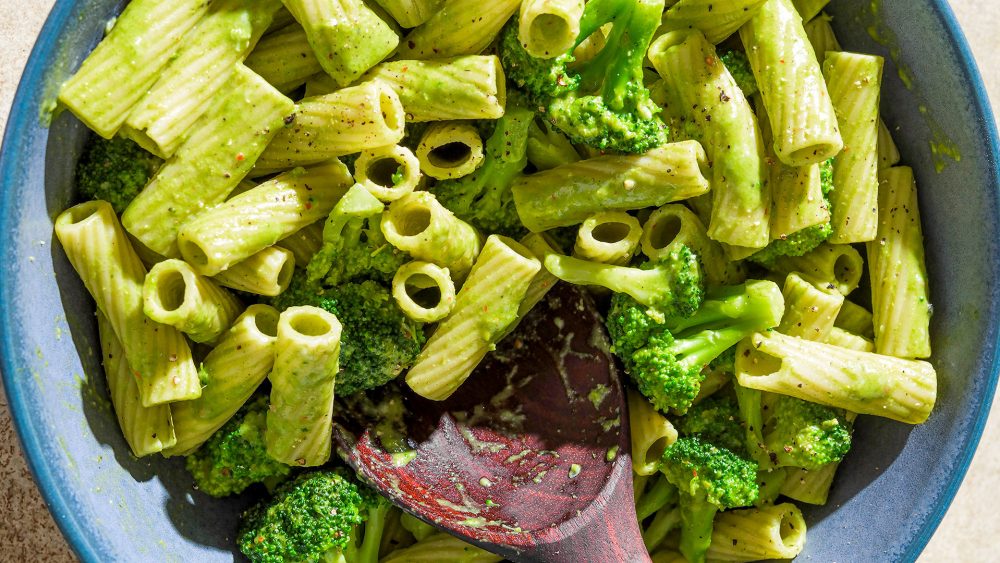
Rigatoni with Roman Broccoli Sauce
Our editorial director J.M. Hirsch first tried a version of this bright green rigatoni in Rome, where broccoli sauce is just one member of a family of pastas coated in a light and bright puréed vegetal sauce. At Milk Street, we used broccoli stalks, which, peeled of their skins, purée wonderfully, “developing the same silky, smooth texture I’d had in Rome,” Hirsch writes.
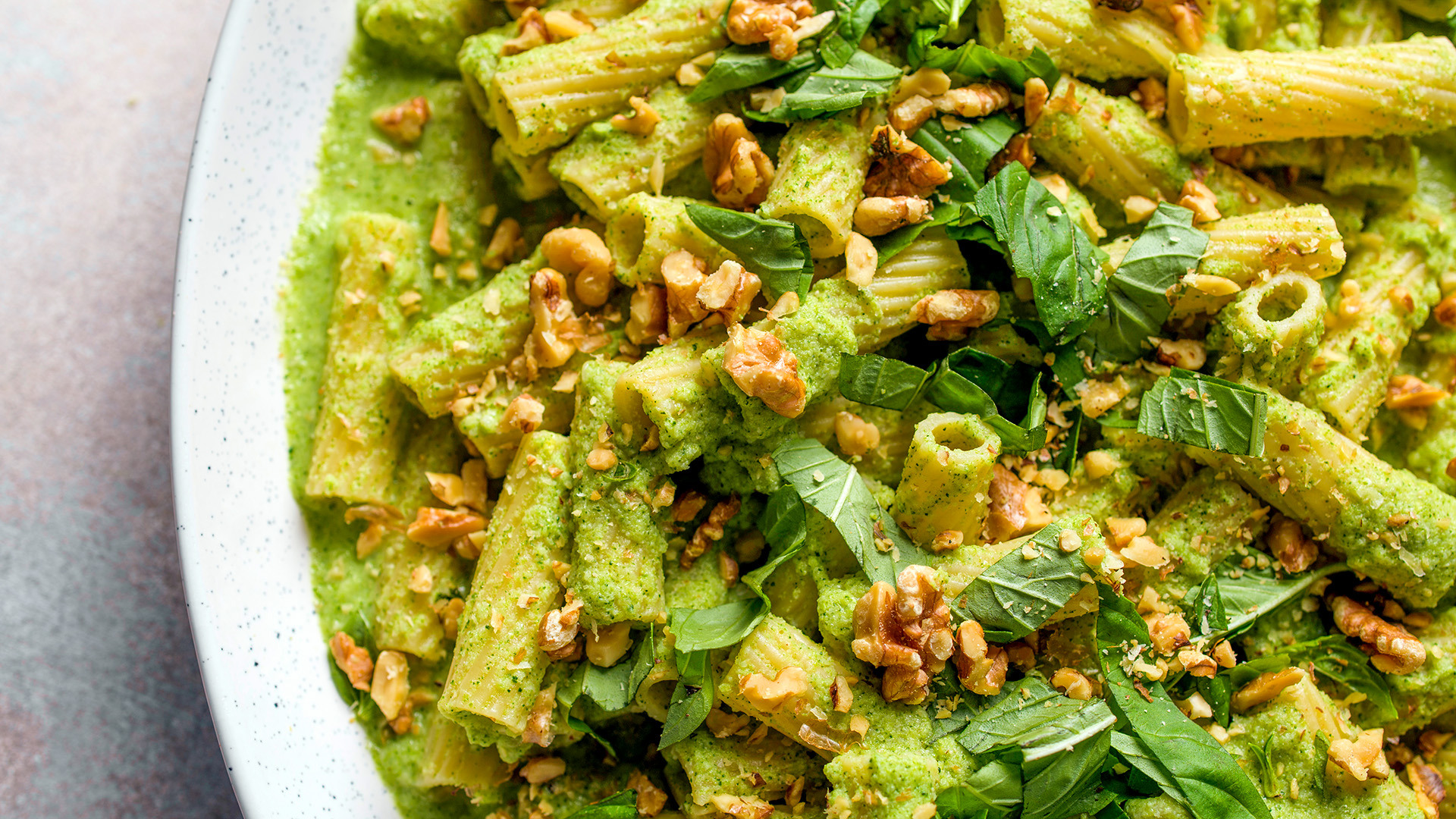
Rigatoni with Broccoli-Lemon Sauce
We developed a variation of our Rigationi with Roman Broccoli Sauce. We wanted to preserve everything we loved about the original— it’s herbal, bright, but still rich— but with some small updates. In this version, we ditch the broccoli stems and spinach and use only the crowns for an even creamier, silkier sauce. A generous dose of Parm brings the satisfying umami depth, with a cut of lemon for brightness.
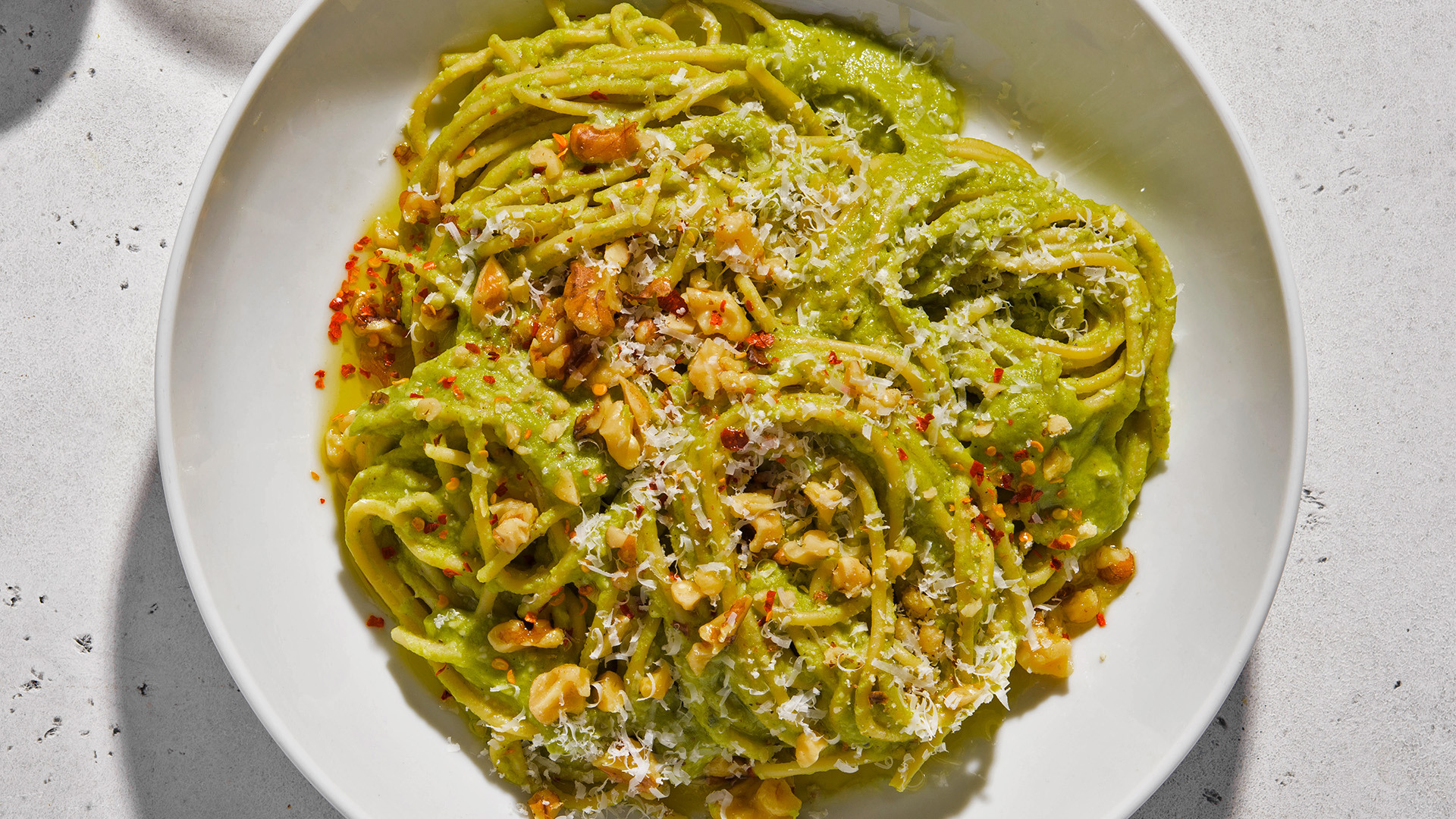
Spaghetti with Broccoli-Miso Sauce and Toasted Walnuts
Spaghetti with creamy broccoli sauce—now with an umami boost. To our favorite bright green, vegetal pasta topping, we add Parm, miso and toasted walnuts, which deliver richer, deeper flavor. Fresh lemon zest and juice brighten up this simple, yet elegant, dish.
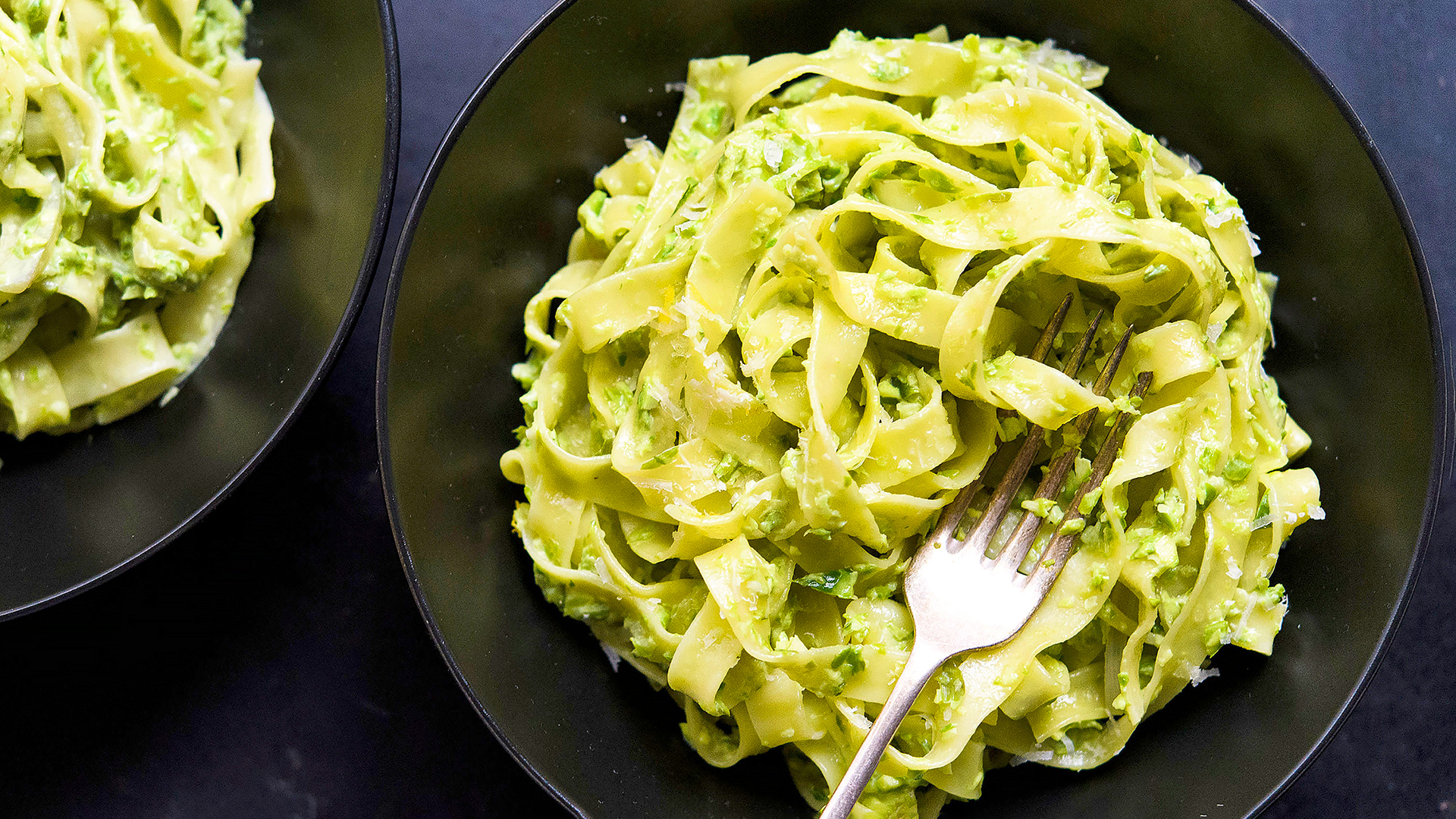
Creamy Asparagus Pasta
This concept was inspired by “The River Cafe” cookbook, it’s bright and fresh but incredibly luscious. We pulse the asparagus in a food processor and use it two ways—half is sautéed until tender; the other half is kept al dente (it’s not just for pasta!). A cup of cream binds the asparagus into a silky sauce just thick enough to coat the pasta, while a sprinkle of lemon zest and a squeeze of lemon juice at the table brighten up the flavors.
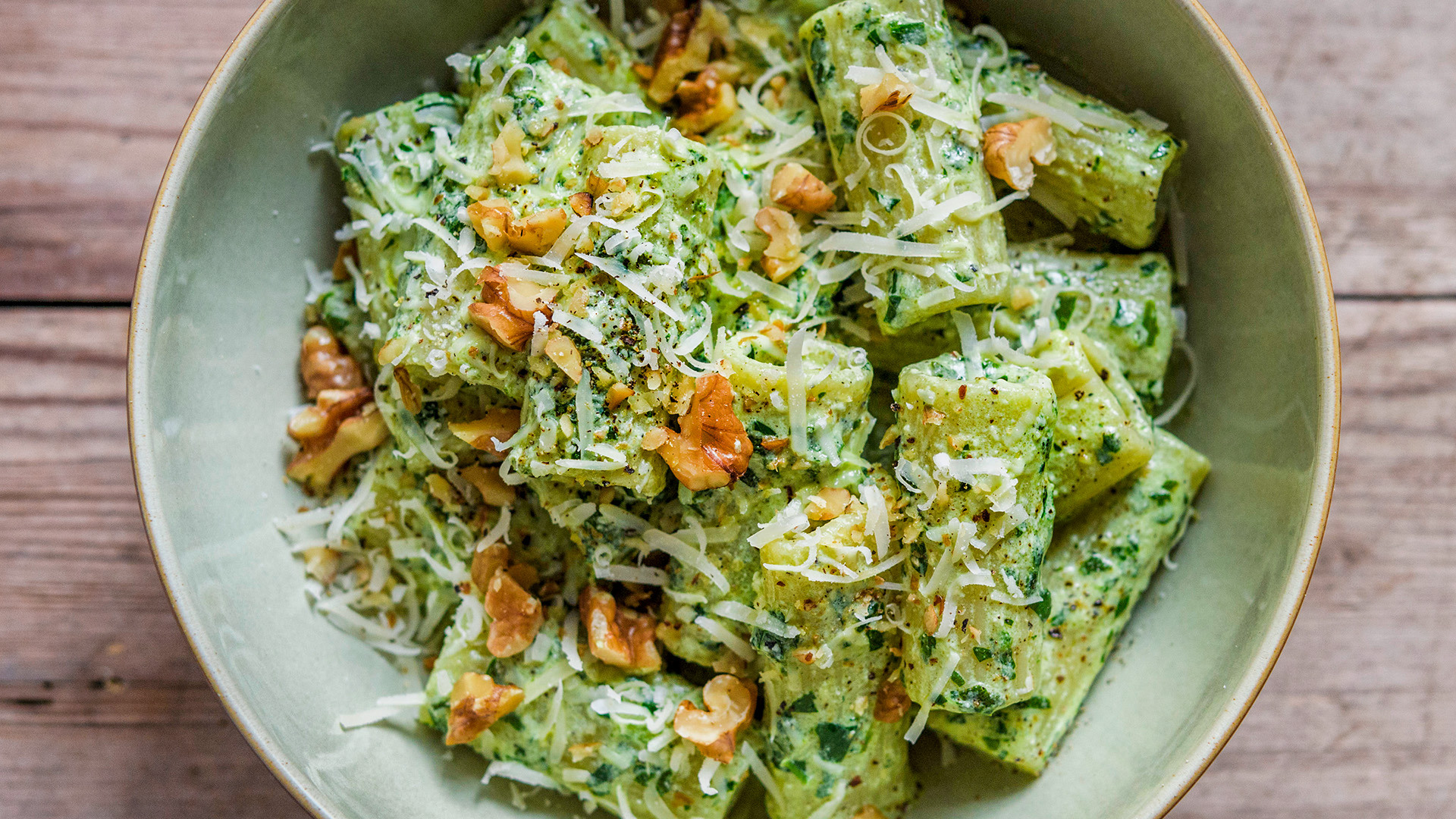
Rigatoni with Ricotta-Sage Pesto
This pasta gets deep, earthy flavor from sage—an herb that can be either too bitter or too faint, but satisfyingly bold when gently cooked. Ricotta and parsley make a creamy, bright-green sauce that’s ready in the time it takes to cook the pasta.
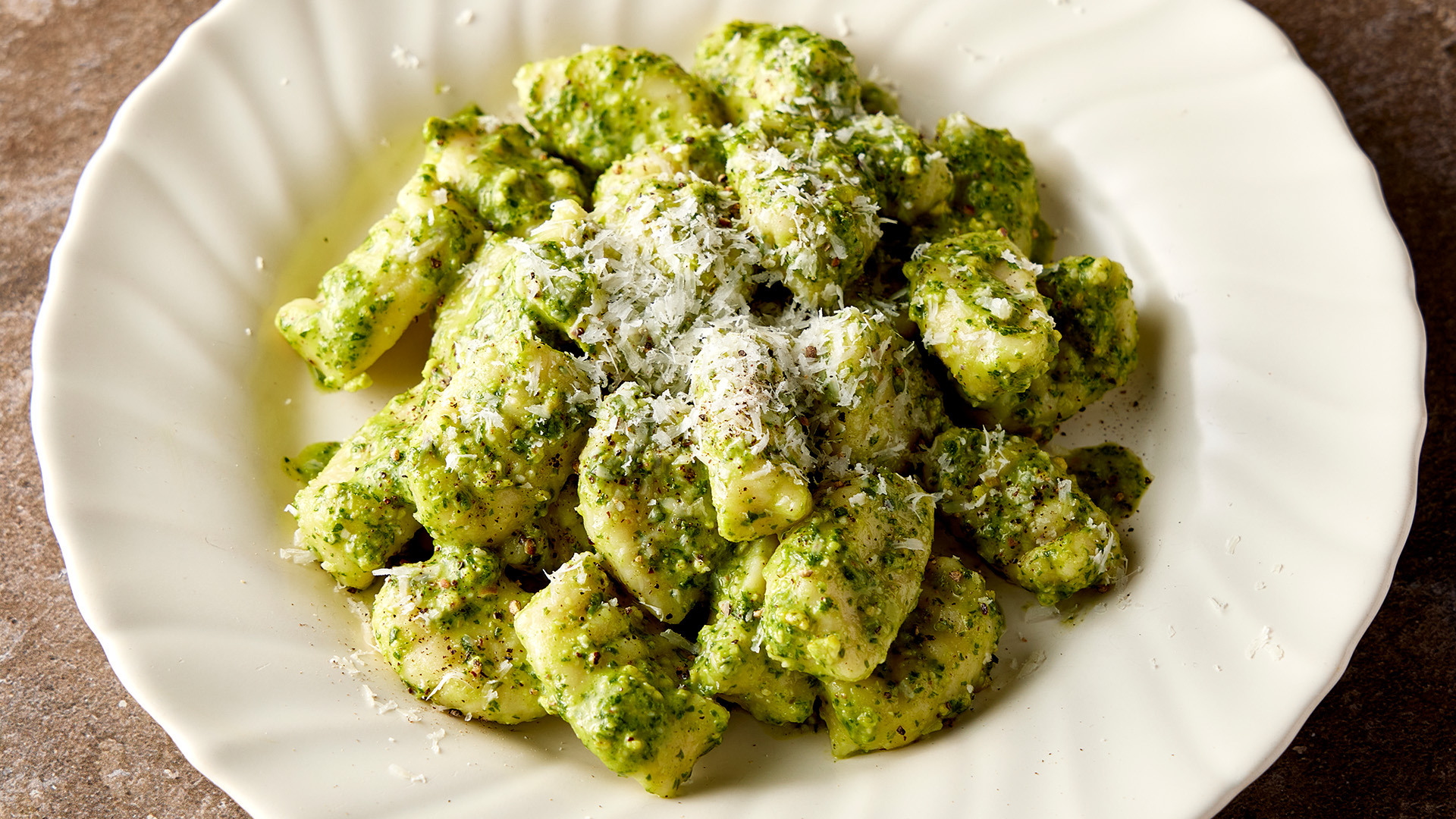
Gnocchi in an Instant with Arugula-Pistachio Pesto
This dish packs two surprising lessons into one recipe:
1) Homemade gnocchi is easier than you think! Re-hydrate some potato flakes (which are nothing more than dehydrated potatoes), add flour, eggs and salt, then shape. It’s leagues beyond packaged supermarket gnocchi, which tend to be tough and gummy.
2) Arugula pesto deserves a much more prominent place in the pesto hierarchy. It’s zippy, bright and peppery, with salty-rich Pecorino and nutty-sweet pistachios. It delivers clear, balanced flavors with minimal ingredients.
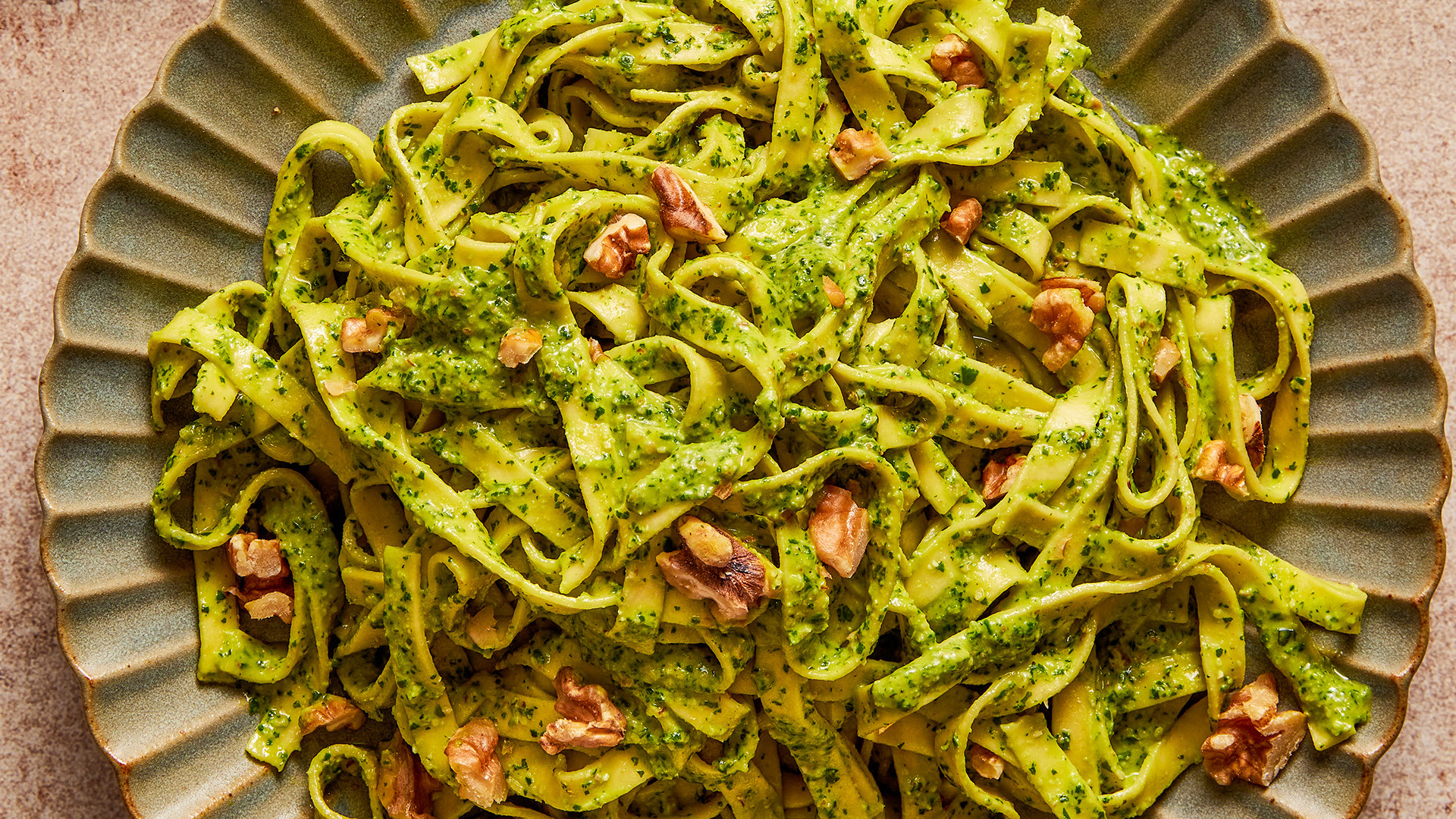
Fettuccine with Miso and Kale Pesto
This earthy pesto relies on walnuts instead of dairy for its richness and body. We use white miso as the foundation of the sauce to provide a salty, savory backbone with a touch of sweetness that complements the vegetal notes of the kale and basil. Pasta water added at the end emulsifies everything together and helps the pesto adhere to the fettuccine.
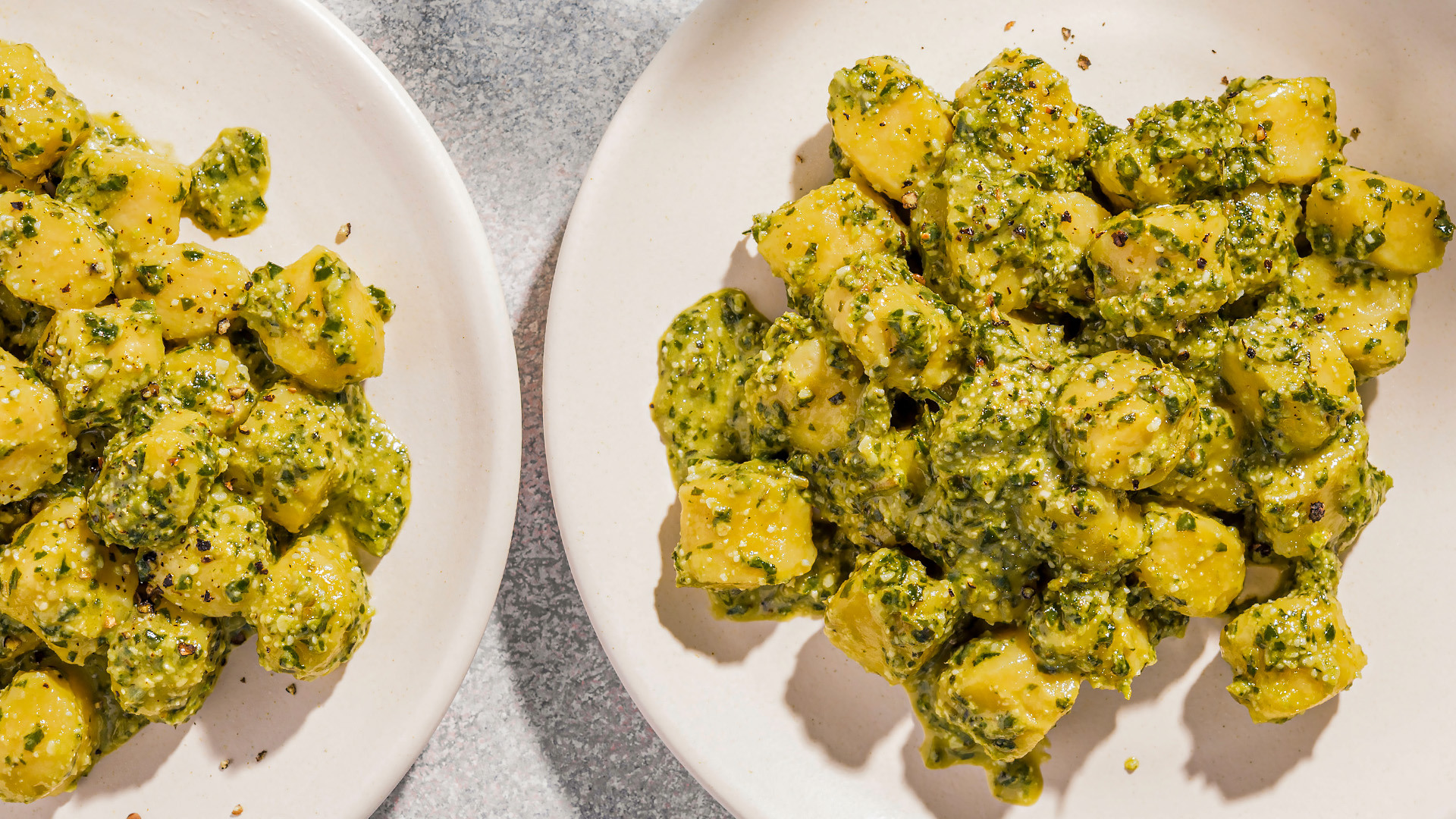
Gnocchi with Pesto alla Genovese
Pillowy gnocchi and a great pesto are a match made in heaven. This pesto alla Genovese (the traditional basil and pine nut variety) was taught to us in its birthplace of Genoa, Italy, by chef Roberto Panizza. The key are hunks of great Parm and pecorino, which bring enough potency to make even store-bought gnocchi deeply satisfying.
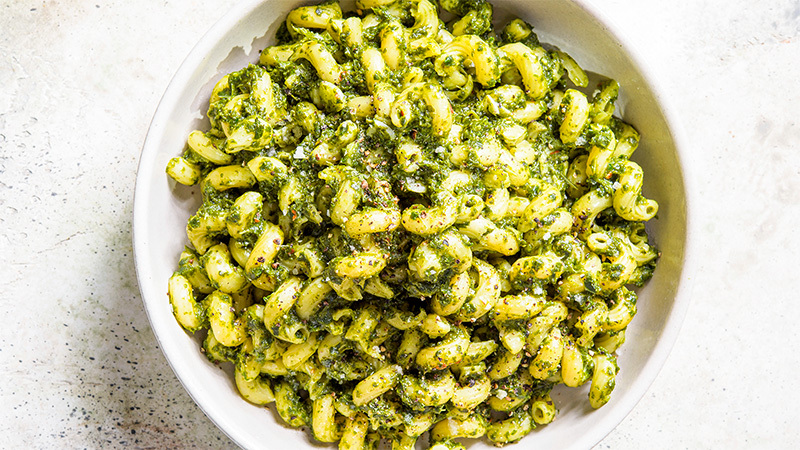
Pasta with Kale, Garlic and Lemon
You don’t need basil pesto to bring lots of green flavor and color to pasta—as you can see from the above recipes, we use everything from broccoli stems to sage. Here, the star is kale, which pulls double-duty when added to the pasta water and then blended into a quick puree. It gives this dead-simple pasta dish verdant, minerally notes that are balanced by lightly browned garlic, bright lemon juice and zest and savory grated cheese.
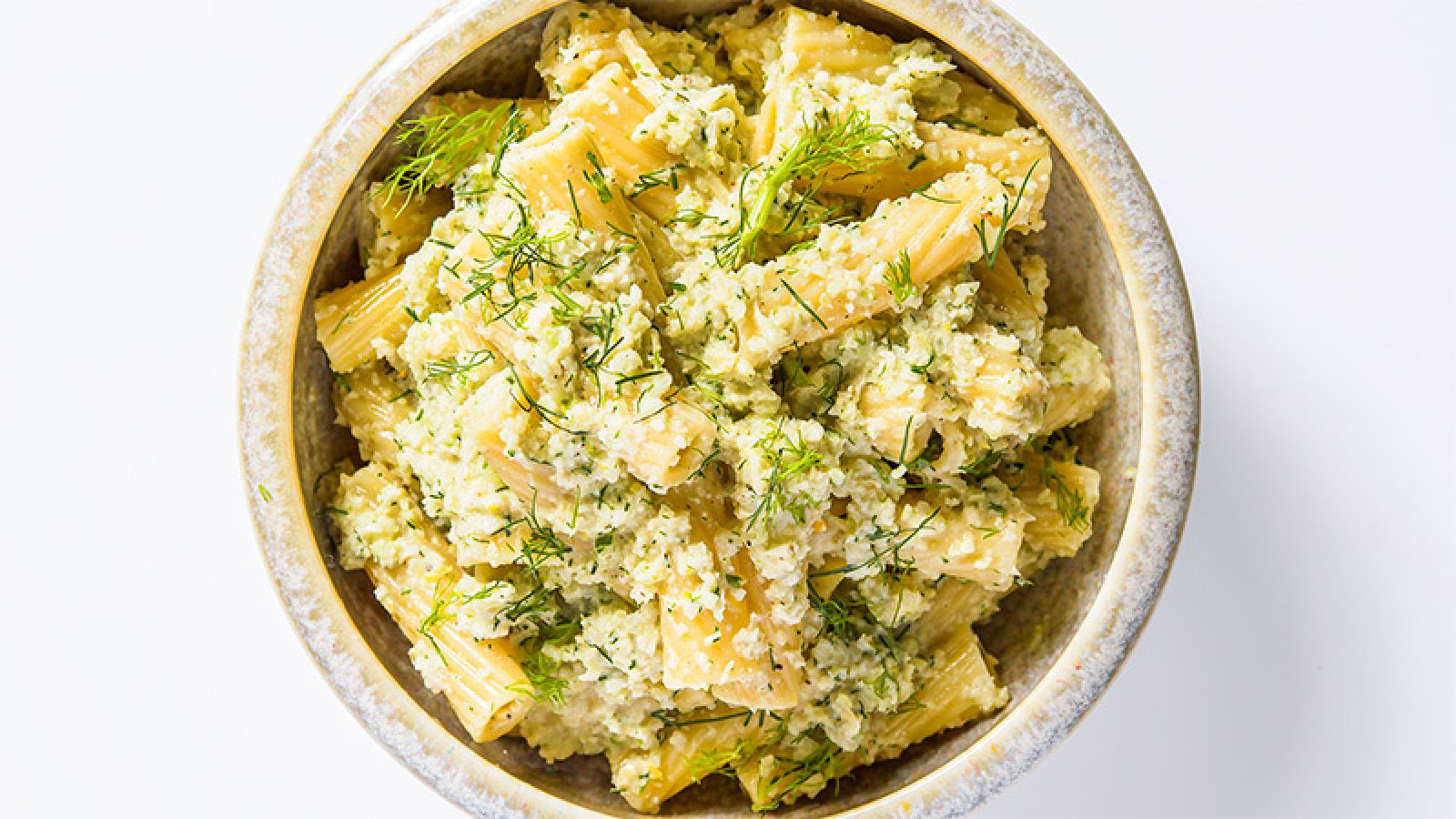
Fennel, Lemon and Pine Nut Pesto
This pesto is all about the fennel, which is to say, clear, bright flavors, no cheese needed. Everything is quickly made in the food processor with minimal knife work. The licorice-y, herby flavor of the fennel is highlighted by the brighter notes of the lemon juice and zest. And we use every part of the fennel: the fronds, the stalks and the bulb.
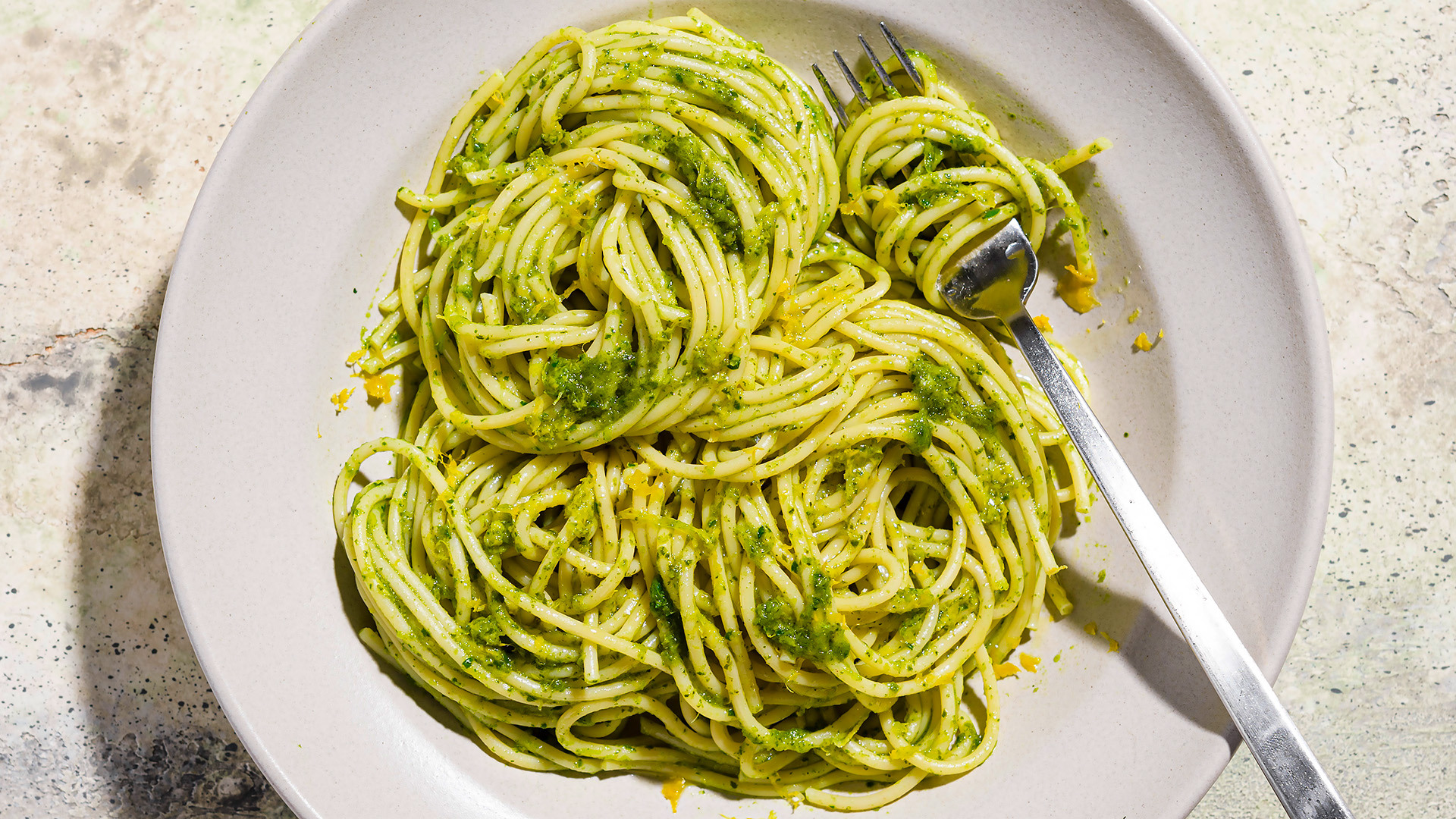
Spaghetti with Parsley Pesto (Spaghetti al Pesto di Prezzemolo)
Parsley pesto sounds bland, but it’s not! We learned this super creamy, super fresh-tasting pesto in Amalfi, where we also learned to use lemons as a bright, fresh flavor base. We love it for the same reason we love lemon pesto—no ingredient mutes or overpowers the rest. And, like most of Chris Kimball’s all time favorite recipes, it’s incredibly efficient.
The stems make up the bulk of the pesto and a small amount of Italian fish sauce brings the umami. In place of nuts and cheese, we use a single clove of garlic, and a touch of lemon zest and juice heightens the clean, simple flavors.
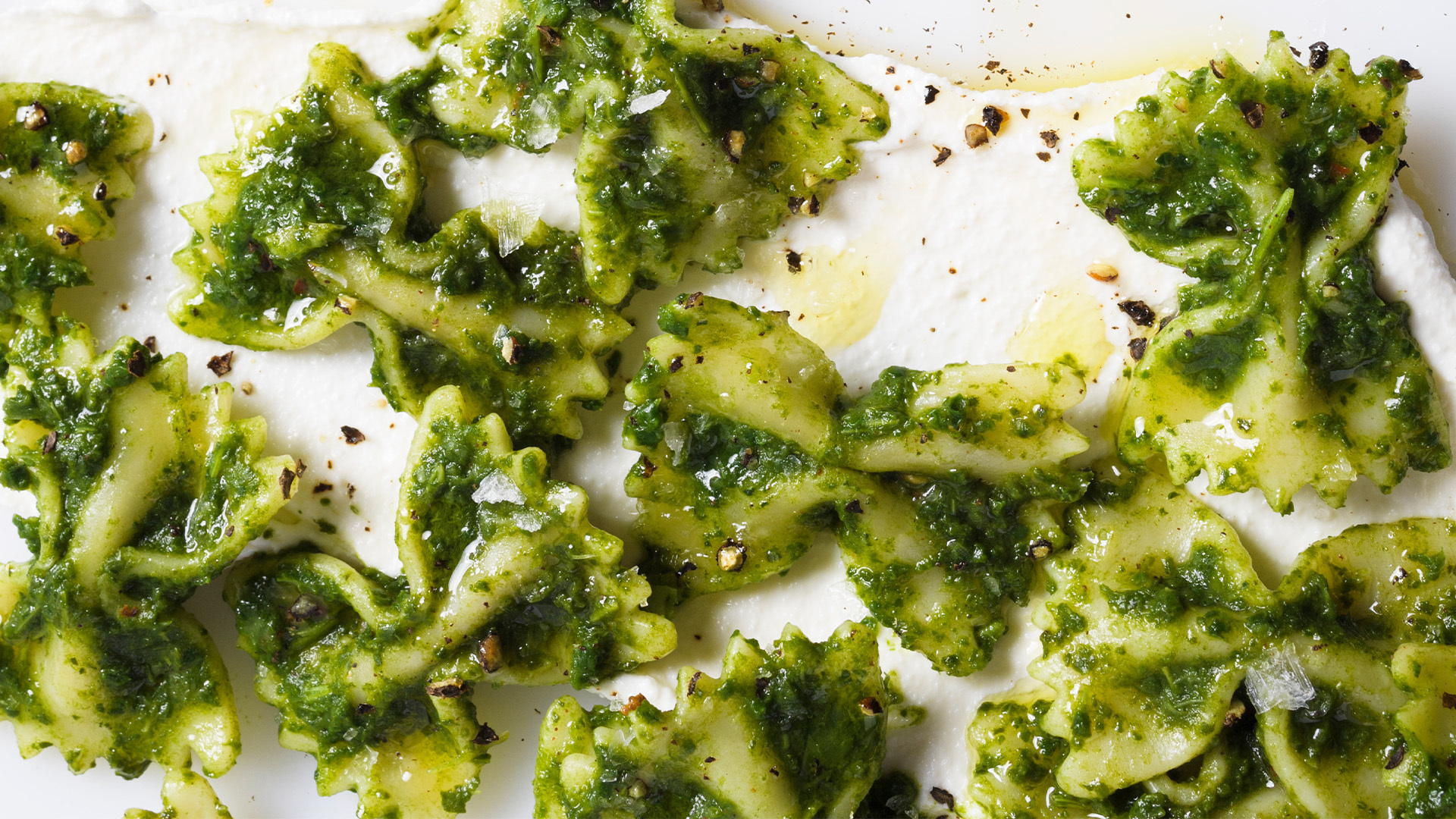
Farfalle with Kale, Garlic and Lemon
In this recipe, fresh, hearty kale is blanched in sea-level-salty water for an even brighter coloring and instant tenderization, then pureed to create a creamy, pesto-like sauce for bowtie pasta that is as beautiful to look at as it is to devour. And you can swing by the local supermarket for the handful of ingredients.
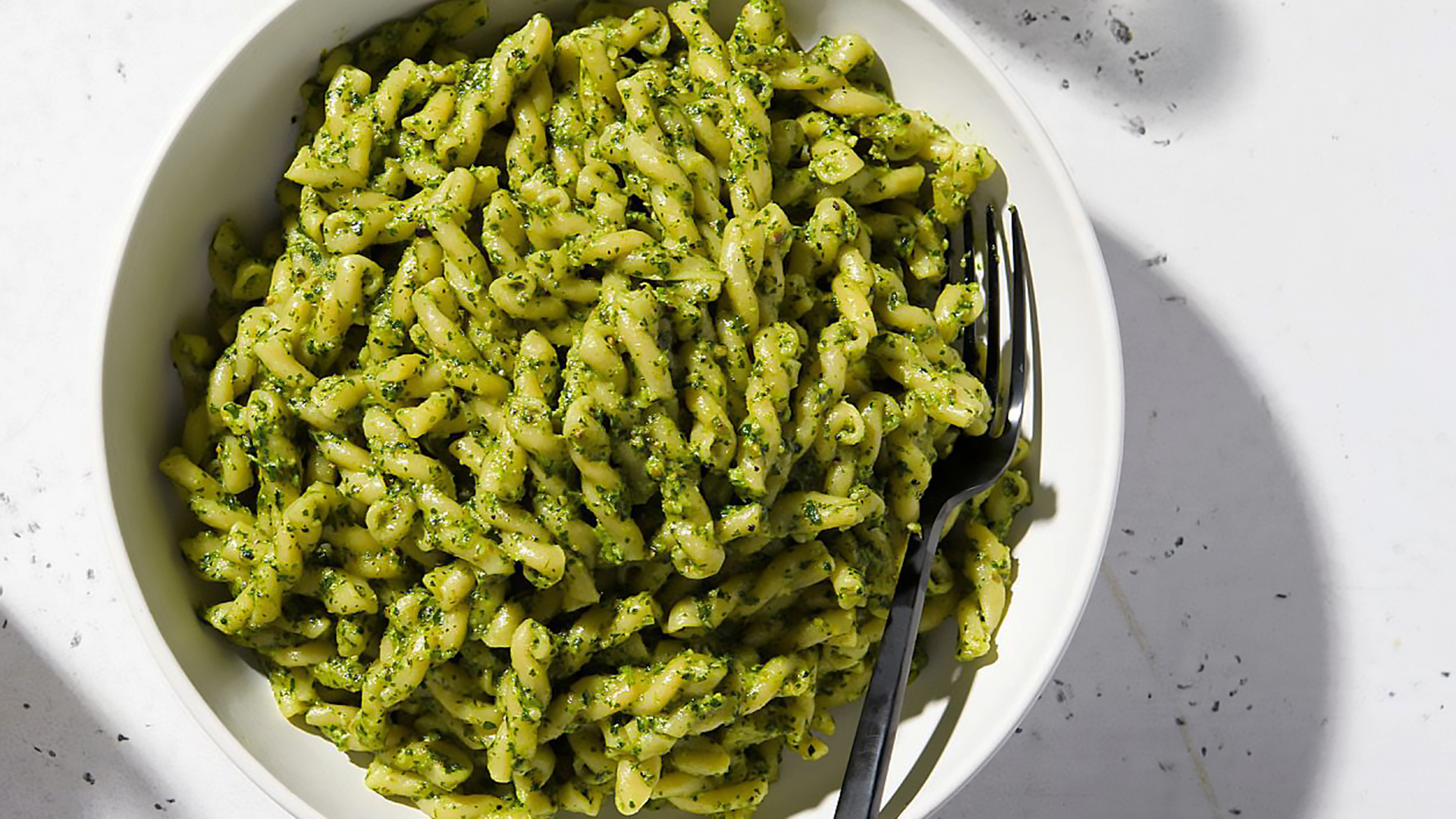
Pasta with Parsley, Walnut and Caper Pesto
Grassy parsley and umami-rich walnuts and Parm are balanced perfectly in this pesto, rounded out with a hefty, briny kick from capers. Not only a bold, sumptuous pasta sauce, it’s equally tasty as a sandwich spread or as a sauce for grilled steak.
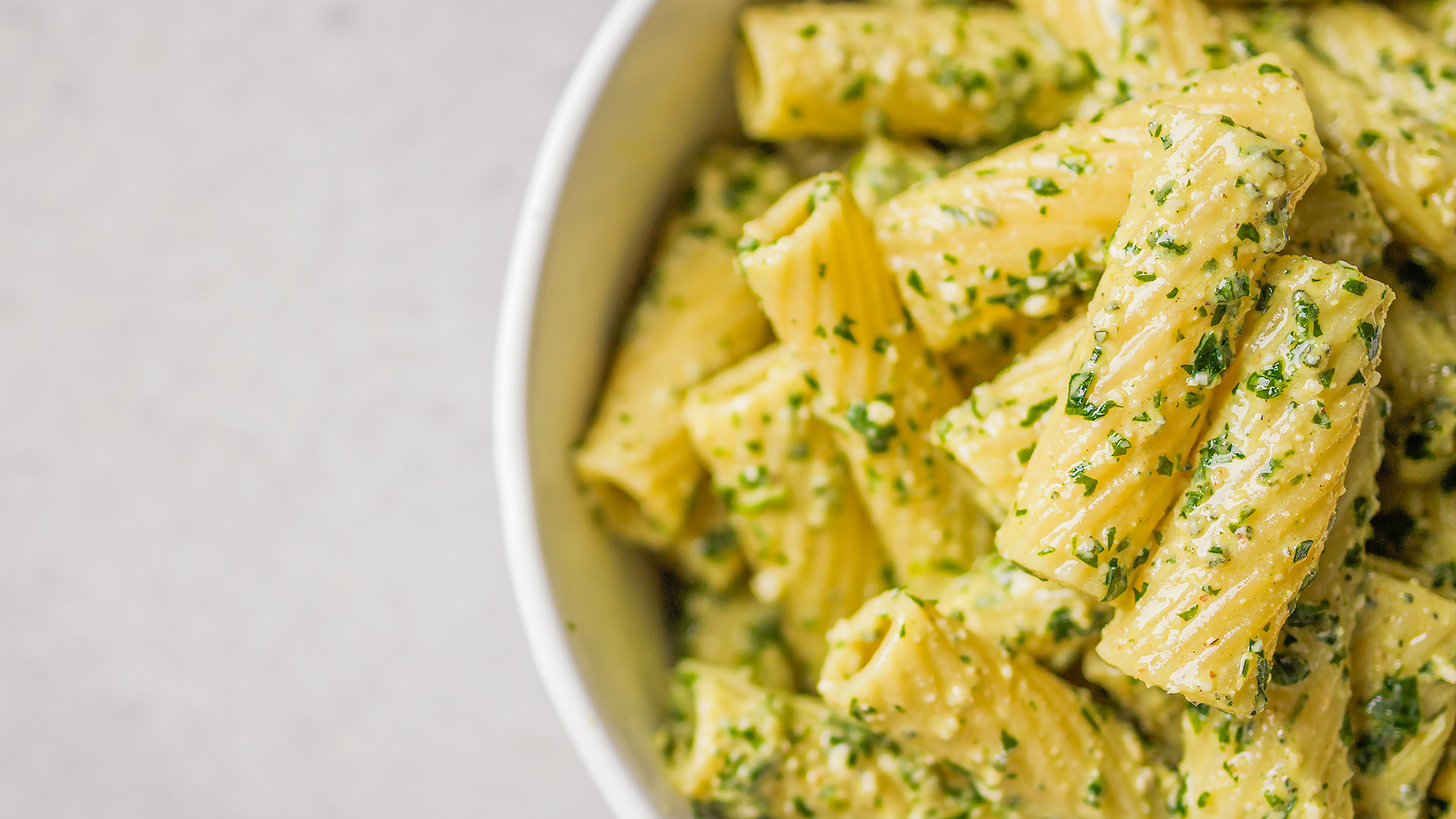
Pasta with Sage, Walnut and Parmesan Pesto
Sage, rather than basil, makes for a bold, woody pesto that’s complemented by gentler ingredients. Pesto can encompass a variety of herbs, and it’s all about balance; in this case, parsley for added freshness, ricotta for mild creaminess, and Parm and walnuts for an umami-rich base.
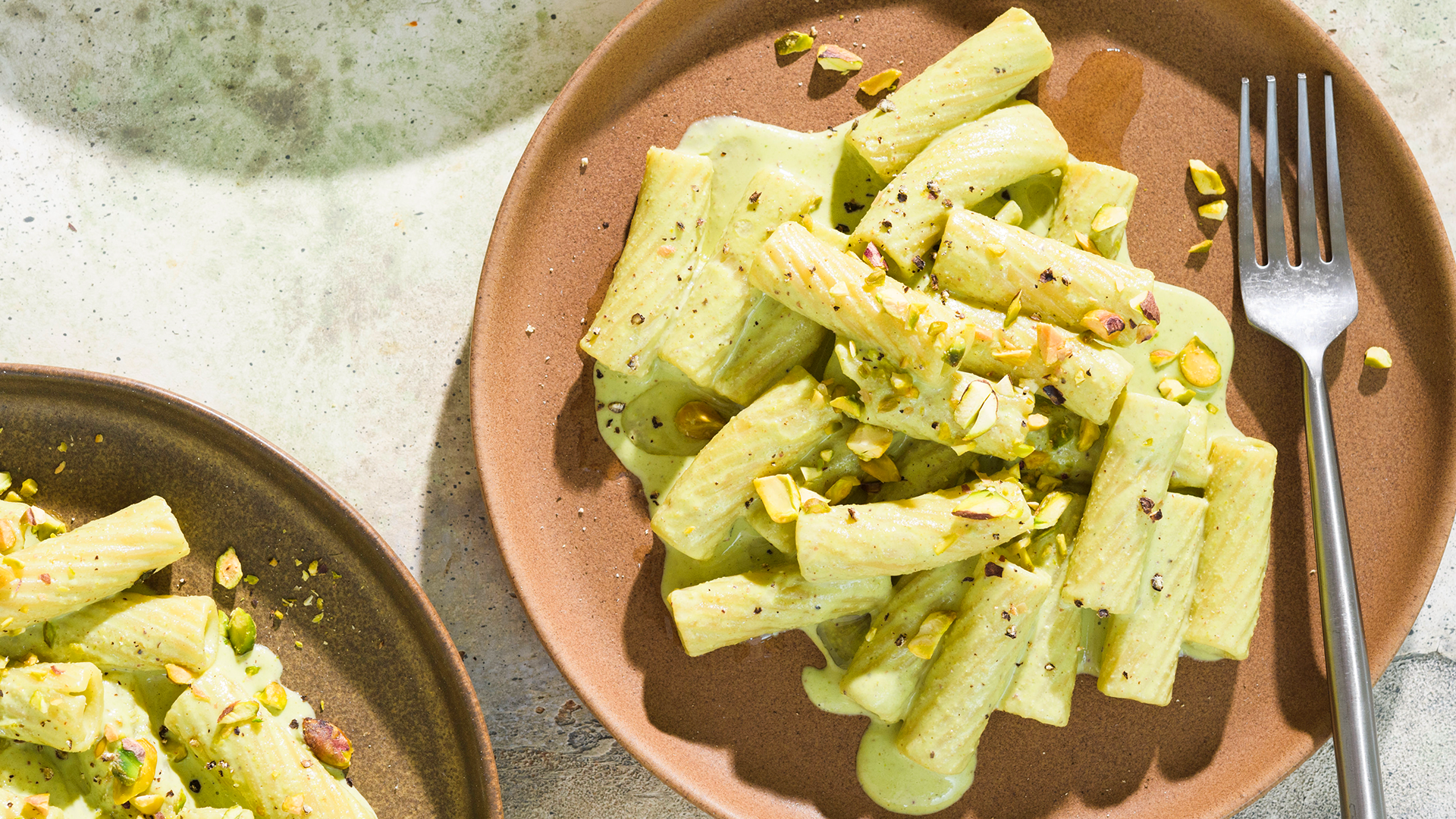
Rigatoni with Pistachio, Ricotta and Herb Pesto
In this creamy Sicilian-influenced pesto, fresh pistachios add bright color and natural sweetness to a Parm and ricotta base. With minimal ingredients, it comes together in minutes; top with crumbled pistachios for extra flavor and crunch.
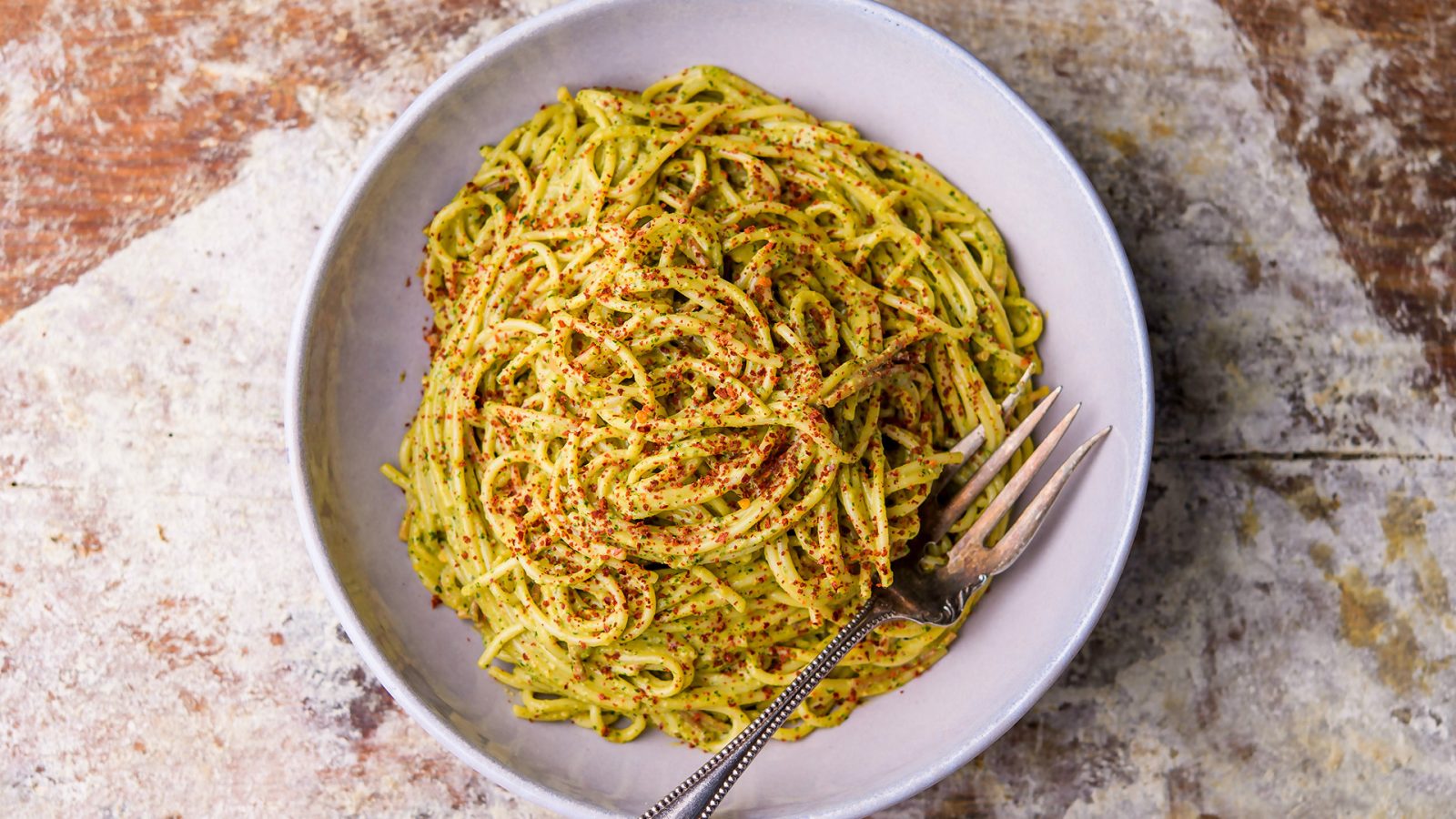
Pasta with Parsley, Caper and Hazelnut Pesto
This pesto has an array of surprising ingredients. First, we use pecorino; we like it for its mild tang and sharper flavor. Skip the pine nuts this time and use hazelnuts; they’re nuttier with just a hint of sweetness. We use capers for their briny, salty flavor and parsley for a bright, herbal bite.
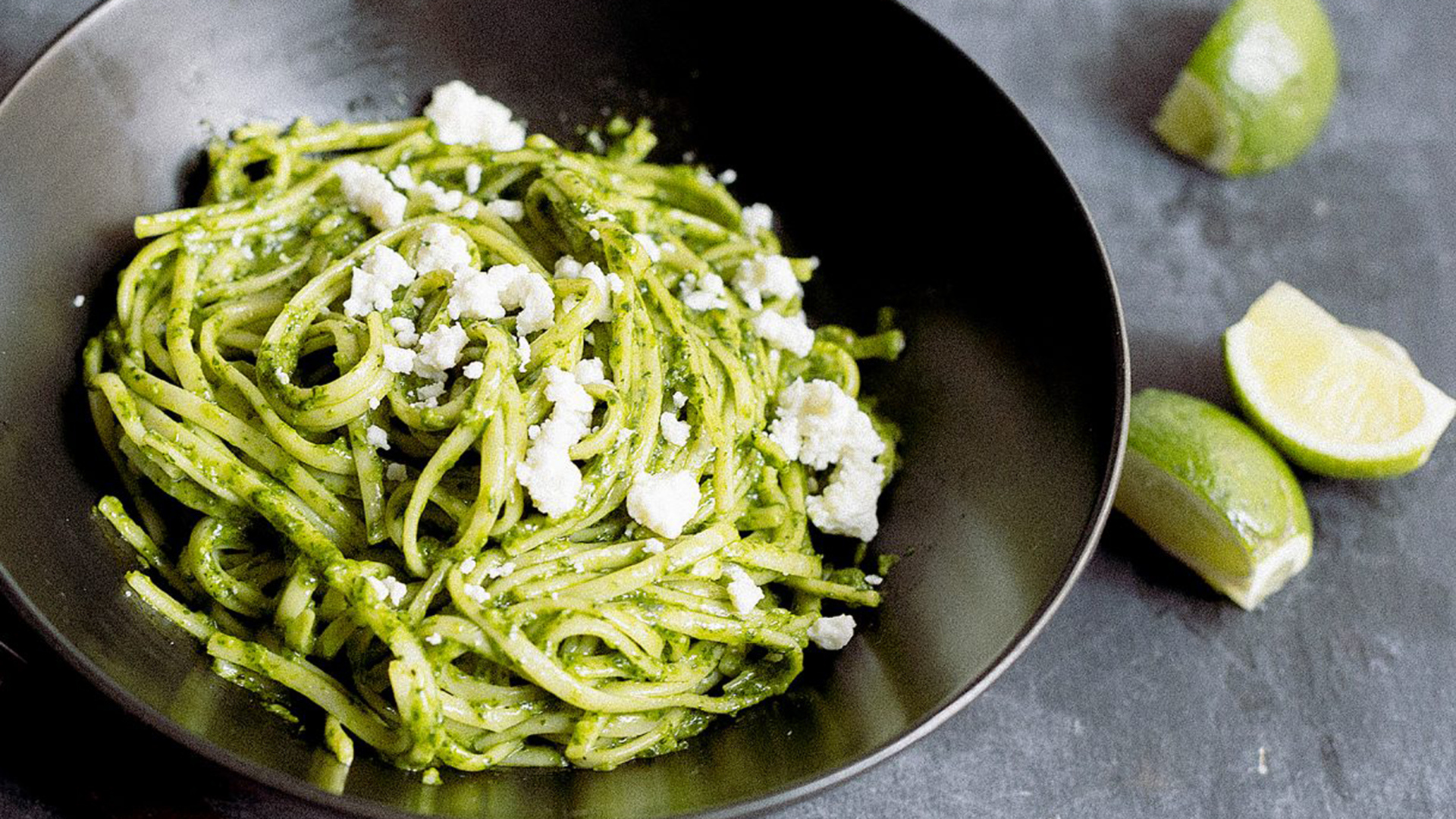
Pasta with Peruvian Pesto (Tallarines Verde)
Creamier than typical pesto, this variety is perfect for serving alongside a hearty steak. This dish, from Genovese immigrants in Peru, uses spinach, which is richer and less sweet than a basil base. And the richness of Parmesan, queso fresco, and heavy cream makes it a great way to get spinach-adverse kids to eat their greens!
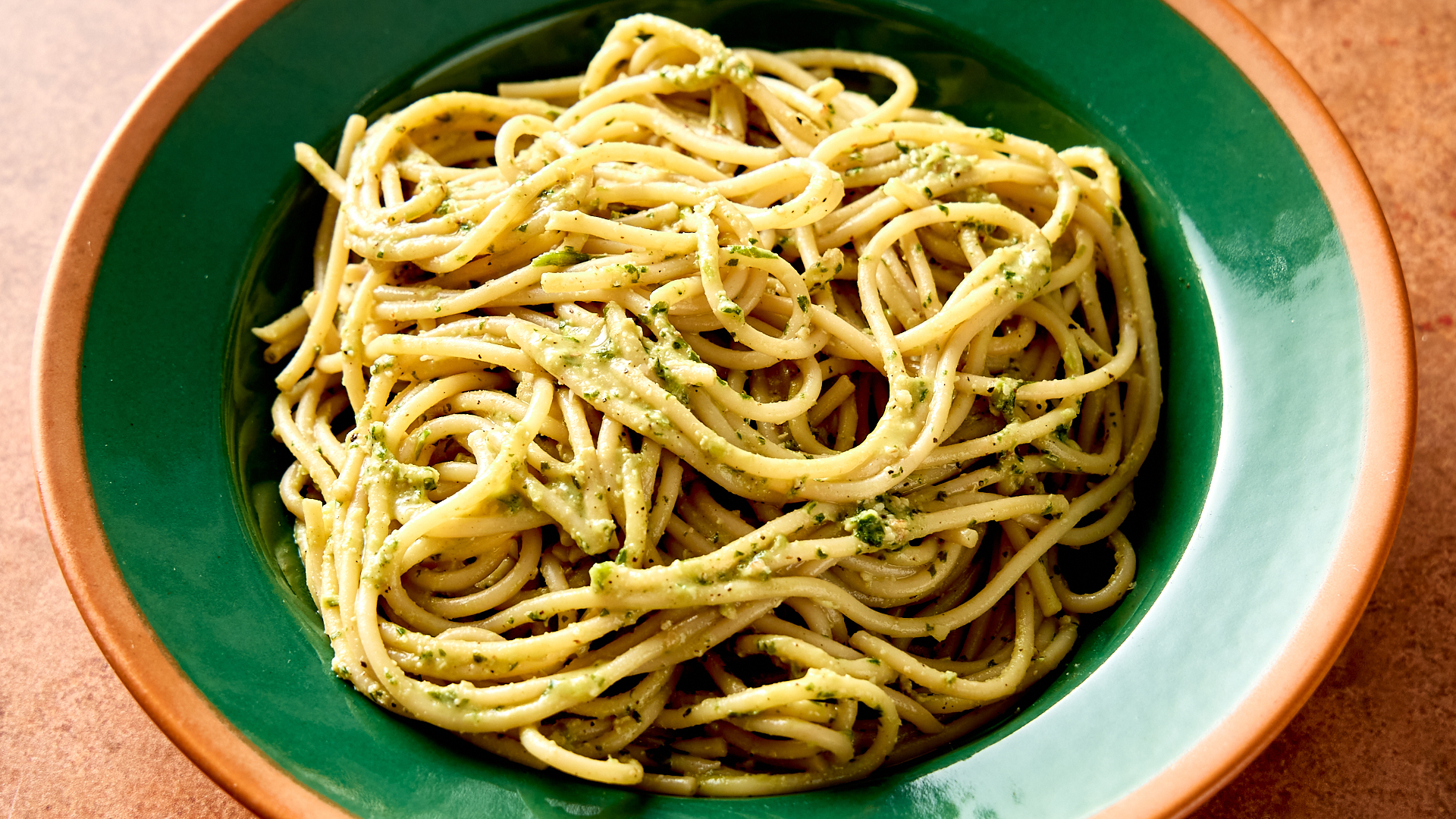
Miso Pesto Pasta
In Miyato, Japan, Chris learned to make a Japanese sauce using miso and sansho leaf. We combined that idea with Italian basil pesto. The umami-packed miso replaces the need for any cheese and adds deep, savory flavor. We use walnuts to bring in even more richness, no dairy necessary.
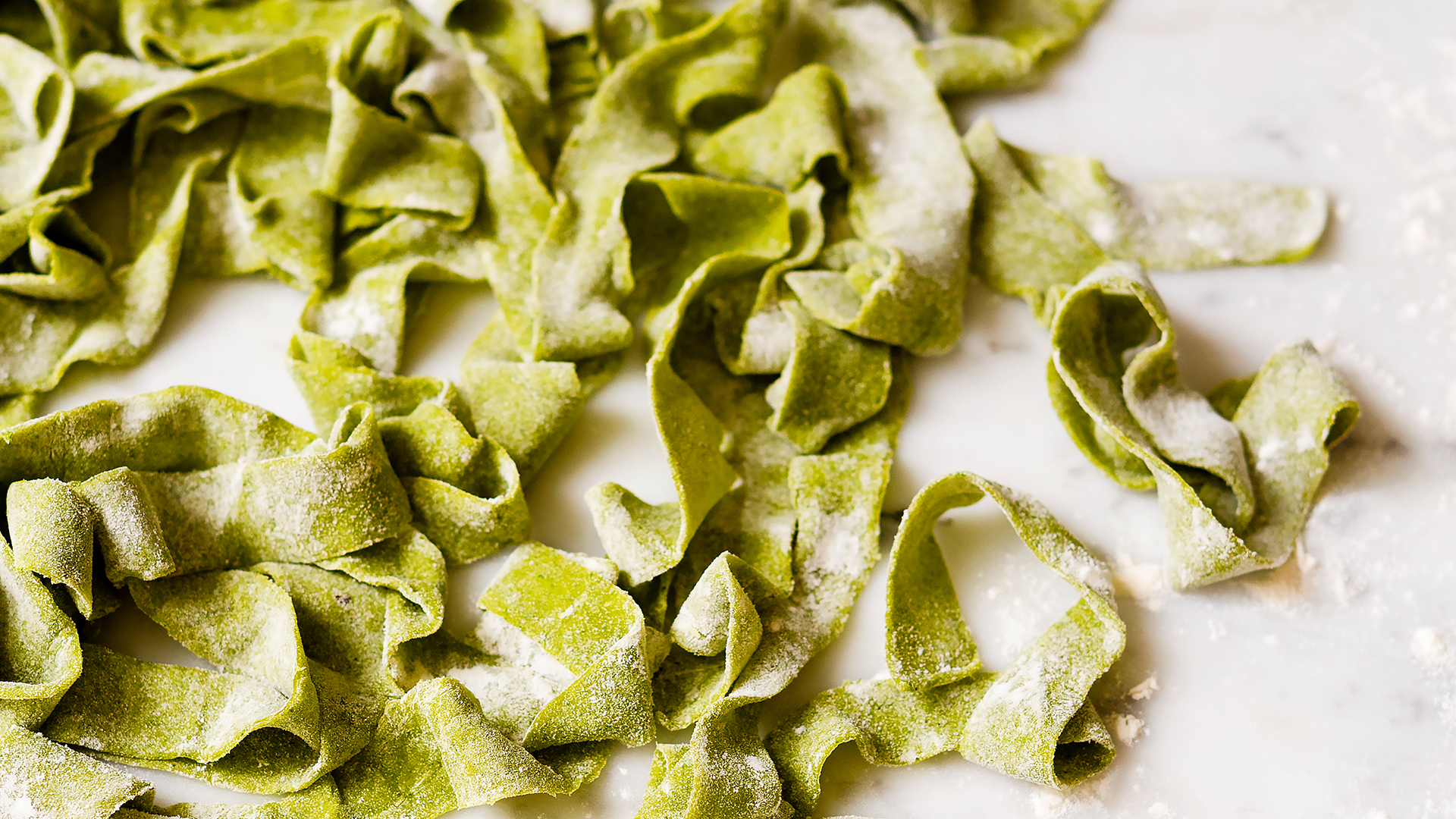
Fresh Herb Pasta
This might be the only “green noodle” on this list that is actually a green noodle. This fresh pasta is made with herbs processed right into the dough. The pasta is lightly herby and fresh, and stunningly green. Parsley and dill can be used interchangeably here, depending on your preference (dill is brighter and has a stronger flavor, whereas parsley is more mild). We also incorporate some fresh chives for their delicate, oniony flavor. You can serve these with a sauce of your choosing, but we like a simple butter, lemon and Parm combo.
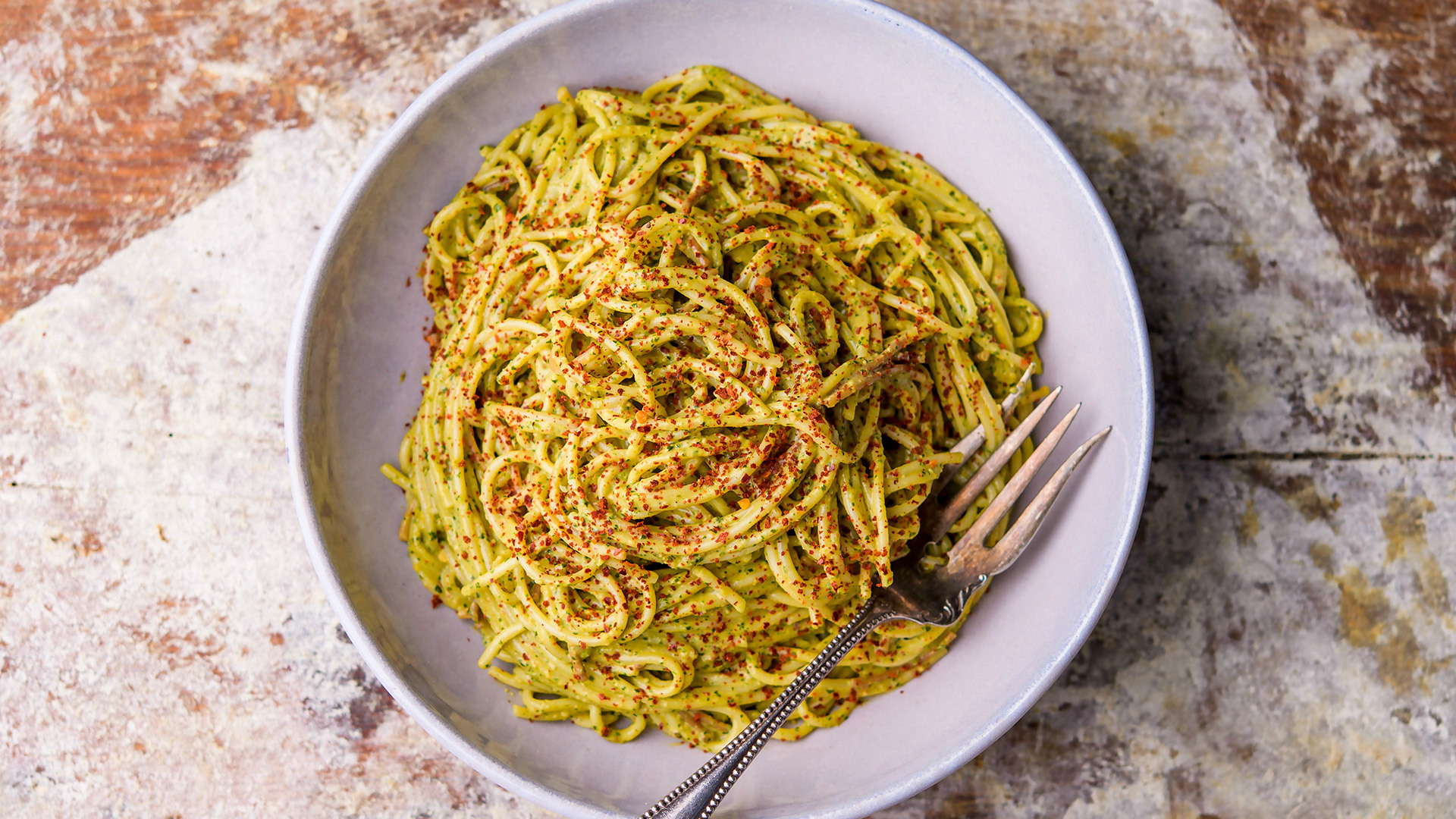
Spaghetti with Cilantro Yogurt
This pleasantly creamy pasta takes its cues from Middle Eastern sauces. Herbaceous cilantro and cooling yogurt perfectly balance the subtle heat of Aleppo pepper (or paprika, in a pinch). Toasted nuts and softened butter add a rounding, satisfying richness.
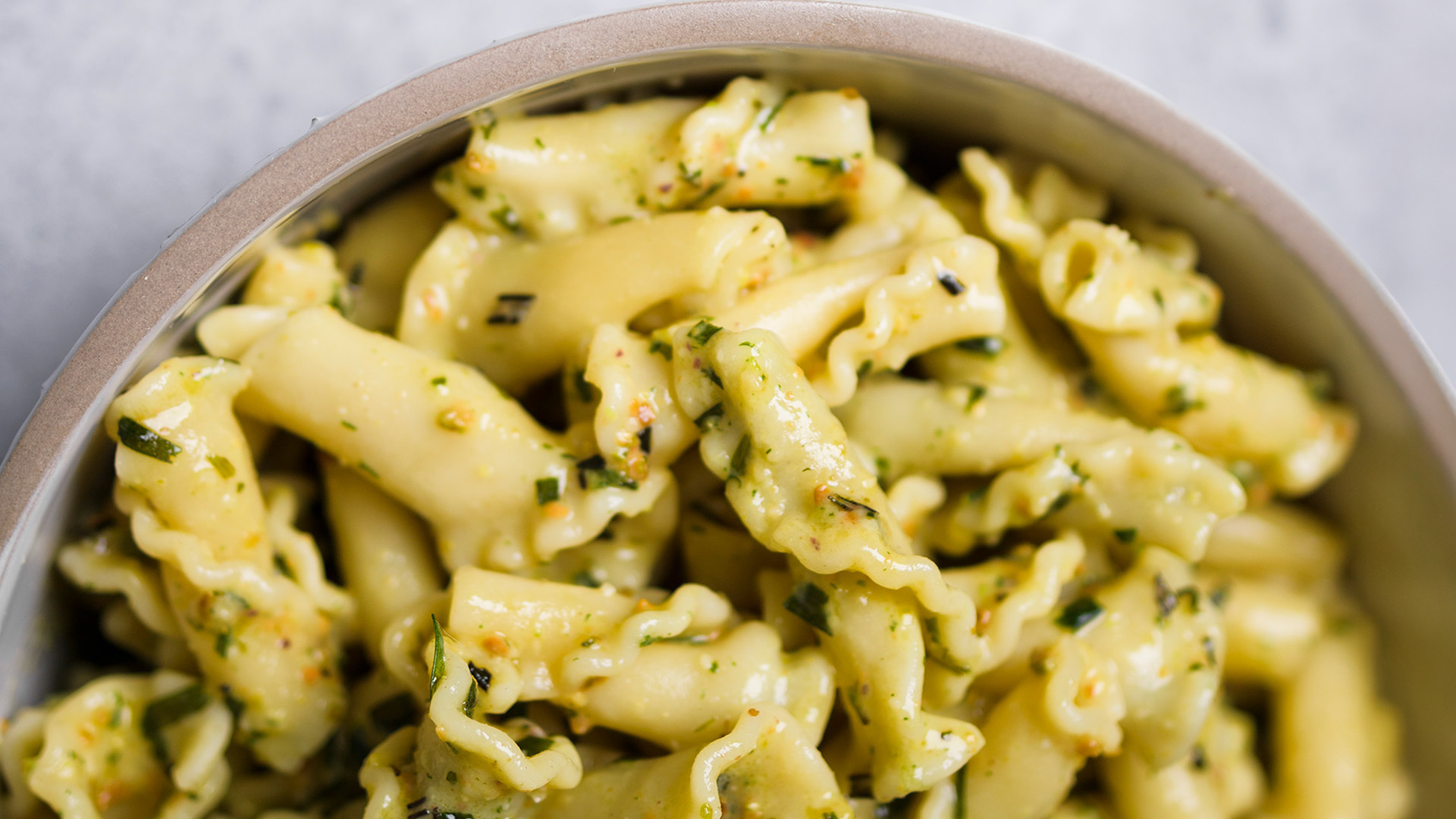
Pasta with Pistachio–Aged Gouda Pesto
Aged gouda has a similar texture and taste to Parmesan, but it’s a lot nuttier than its non-aged counterpart, with hints of chocolate and caramel. Its subtle sweetness makes it an excellent complement to pistachios. This pesto also uses rosemary and tarragon for savory, herbal notes, building layers upon layers of complexity.
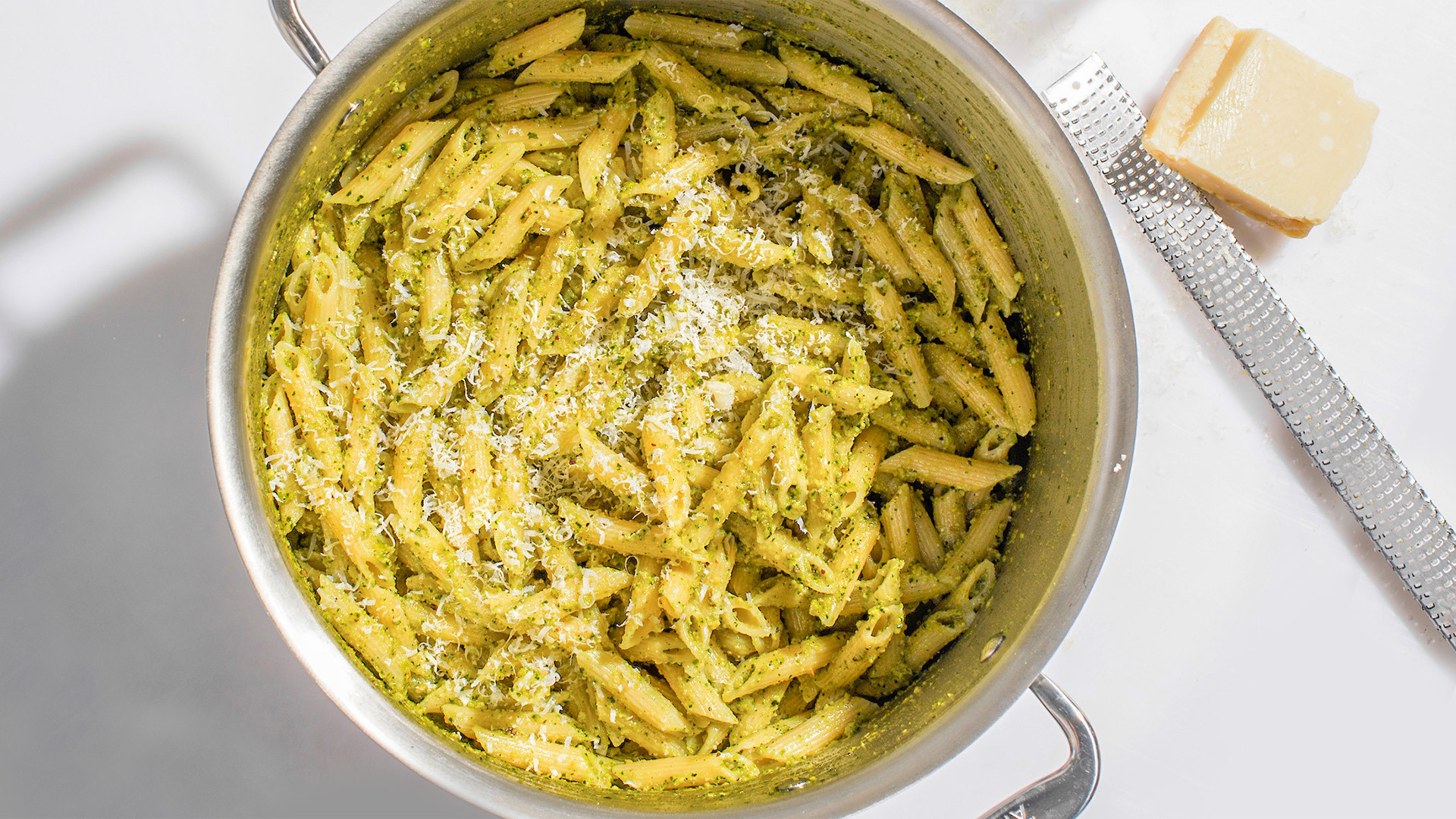
Pasta with Fennel, Green Olive and Pistachio Pesto
For an especially umami-rich, unconventional pesto, we chose a high-impact combination of green olives and Parm. Pistachios balance out the powerhouse ingredients with gentle sweetness, and parsley adds an herbal lift. It’s not only for pasta—it’s also delicious spread onto sandwiches or served as a relish with roasted vegetables or chicken.
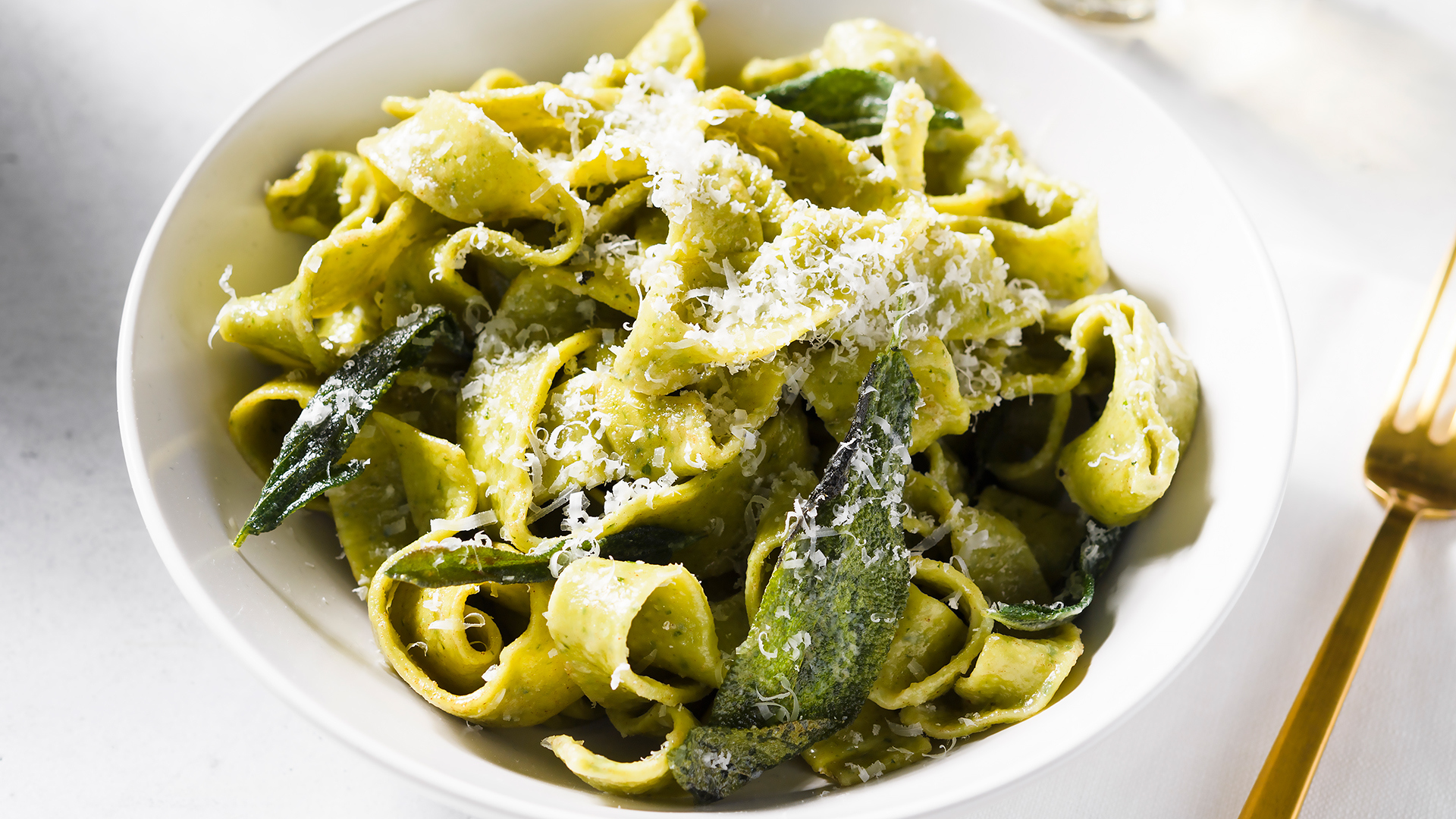
Marika Contaldo Seguso’s Basil Tagliatelle with Butter, Sage and Parmesan
These luscious noodles from Marika Contaldo incorporate basil into the simple egg-based dough, which comes together without the typical ample kneading required for fresh pasta. (Don’t worry if you don’t have a pasta machine—you can roll out the dough and cut it by hand.) Cook quickly with a thin, silky coating of sage-infused butter that clings to the noodles.
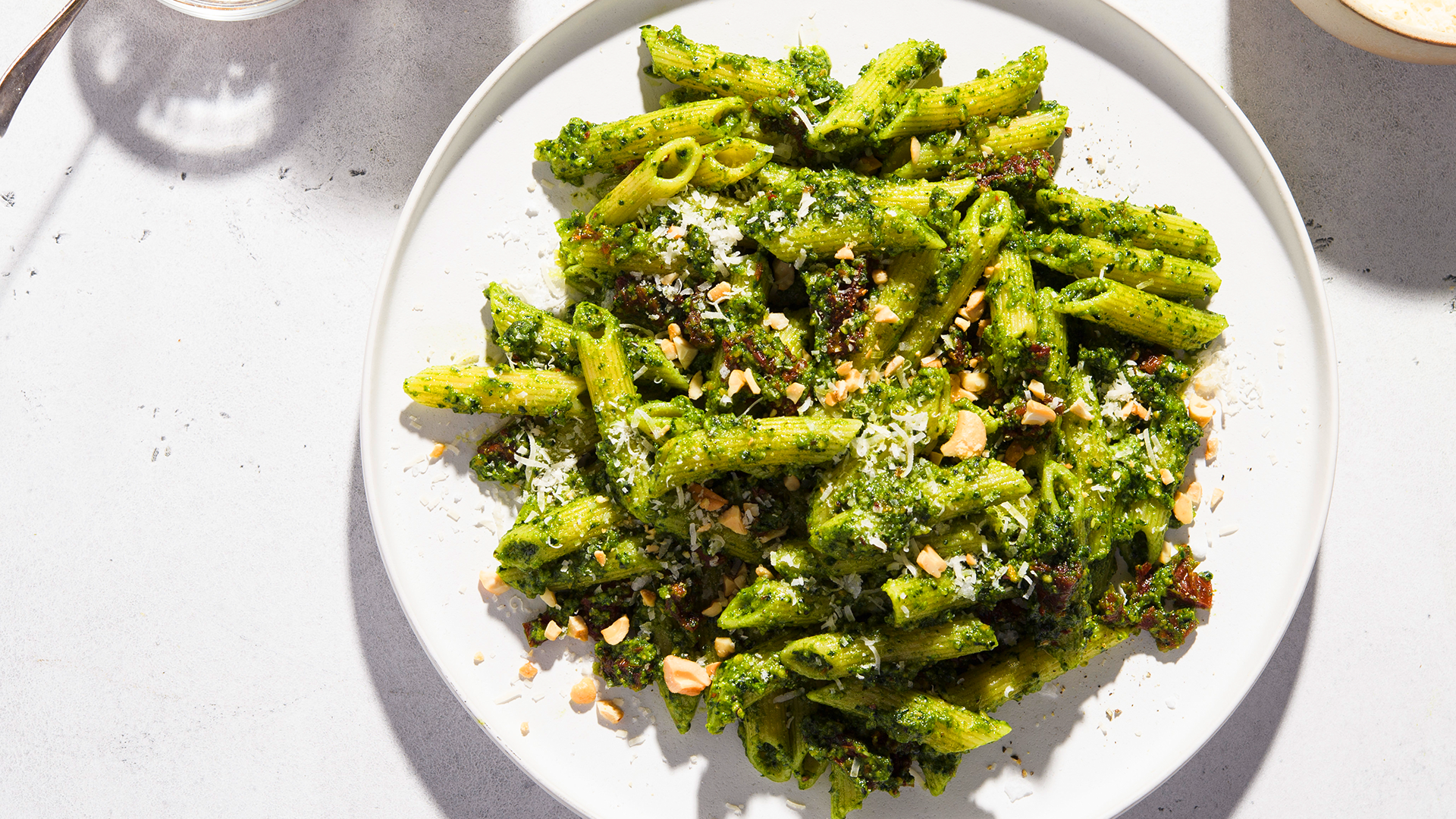
Pasta with Kale Pesto and Sun-Dried Tomatoes
This bright green kale pesto is deeply vegetal, with toasty roasted almonds and savory Parm. Sun-dried tomatoes bring extra bursts of tangy, almost raisiny flavors, while adding some reserved pasta cooking water helps the pesto cling to the pasta.
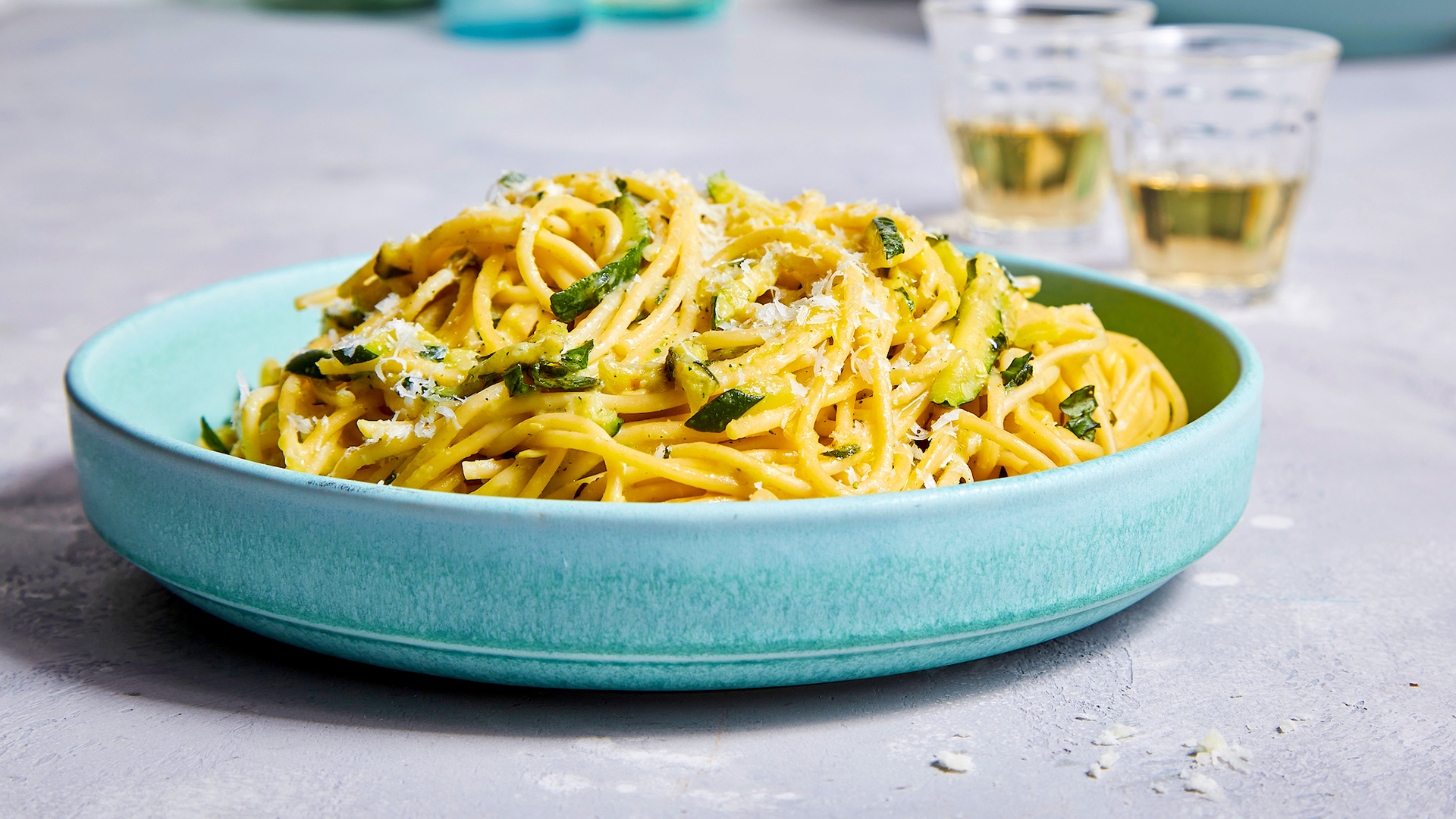
Pasta with Pecorino-Zucchini Sauce and Basil
This velvety sauce of pureed zucchini comes from Italy’s Amalfi Coast, where we were served some seriously beautiful pasta dishes—elegantly simple, all about fresh ingredients. Luxurious but not heavy, we give the sauce more creamy silkiness by adding a bit of reserved pasta water. Be sure to seek out a chunk of pecorino and grate it yourself; the flavor will be fresher and fuller than pre-grated cheese.
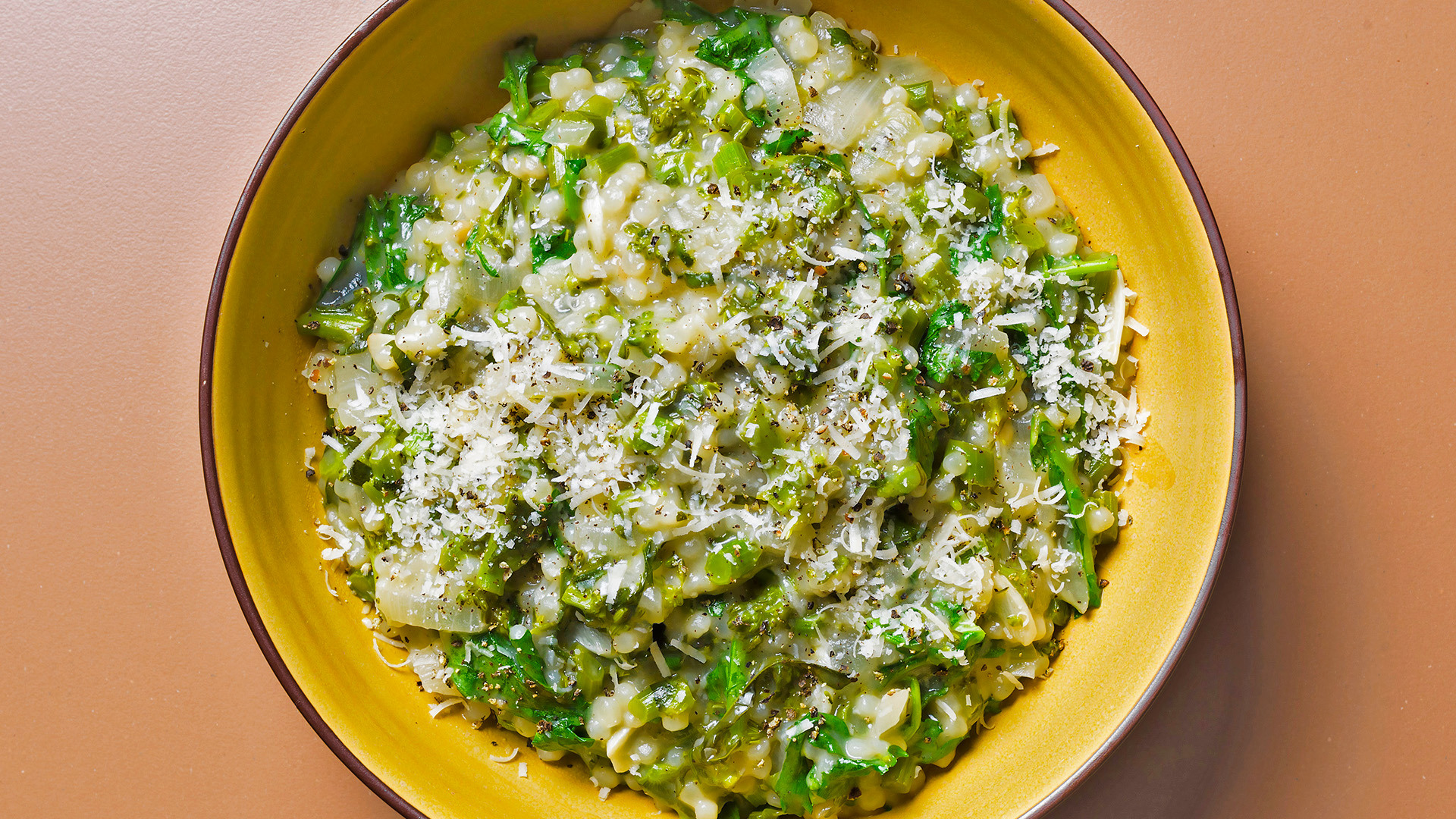
Pearl Couscous “Risotto” with Broccoli Rabe
We “risotto-ed" couscous (pasta risotto!) and the result is a rich, creamy bowl, with a wheat-ier pasta base. Here we add classic risotto flavors: white wine, broccoli rabe, sweet onion, and umami-rich Parm. Simple, easy and an excellent blueprint for trying out different vegetables and broths.
Join the conversation on Facebook, Instagram, TikTok and Pinterest.
And if you're looking for more Milk Street, check out our livestream cooking classes with our favorite chefs, home cooks and friends for global recipes, cooking methods and more.






Sign up to receive texts
Successfully signed up to receive texts!
We'll only send our very best offers - Like a $15 store credit to start.
By entering your phone number and submitting this form, you consent to receive marketing text messages (such as promotion codes and cart reminders) from Christopher Kimball's Milk Street at the number provided, including messages sent by autodialer. Consent is not a condition of any purchase. Message and data rates may apply. Message frequency varies. You can unsubscribe at any time by replying STOP or clicking the unsubscribe link (where available) in one of our messages. View our Privacy Policy and Terms of Service.
