


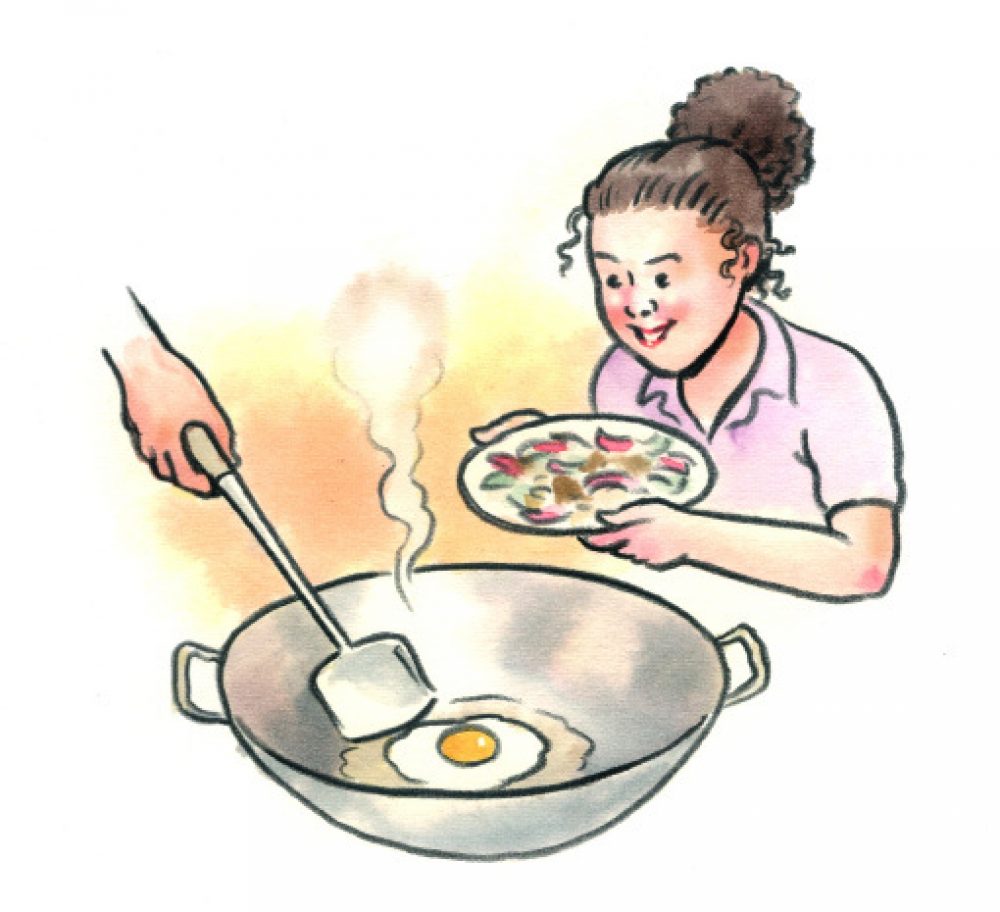
For Delicious Fried Eggs, Grab Your Wok
When your stir-fry begs to be topped with a fried egg, no need to dirty two pans—your wok happens to make excellent fried eggs, no skillet needed. With the wok, it’s easy to fry eggs with perfectly crisp, lacy edges, puffy whites and yolks that can be runny, fully set or somewhere between. To make wok-fried eggs (you have to cook them one at a time), line a large plate with a double layer of paper towels. In a 12- to 14-inch wok over medium-high, heat ¼ cup neutral oil until barely smoking. Meanwhile, break 1 egg into a ramekin or small bowl. When the oil is ready, slide the egg into the wok; the white will immediately bubble up and around the yolk. Reduce to medium and cook, using a wok shovel to continuously spoon oil over the egg, until the white is fully set and the edges are lacy, crisp and browned, about 1 minute for a runny yolk, 1½ minutes for a partially set yolk or 2 minutes for fully set. Transfer the egg to the paper towel-lined plate and sprinkle lightly with kosher salt and ground black pepper. Return the oil to medium-high and heat until barely smoking. Repeat as desired with additional eggs.
You’re Probably Zesting All Wrong
When zesting citrus, many people hold the fruit in their dominant hand and rub it across a wand-style rasp grater held in their other hand. But this can make it tricky to see what you’re doing (the side of the citrus you are zesting is always hidden), and it’s harder to hold the grater steady in your weaker hand. There is a better way. Swap hands. Instead, hold the citrus in your non-dominant hand, then flip the grater sharp side down and use your dominant hand to pull it across the surface of the fruit, rotating the citrus as needed. The zest collects in the grater, rather than scattering all over. You’ll have much better control over the whole process.
Need to Revive Wilted Greens? Just Add Water
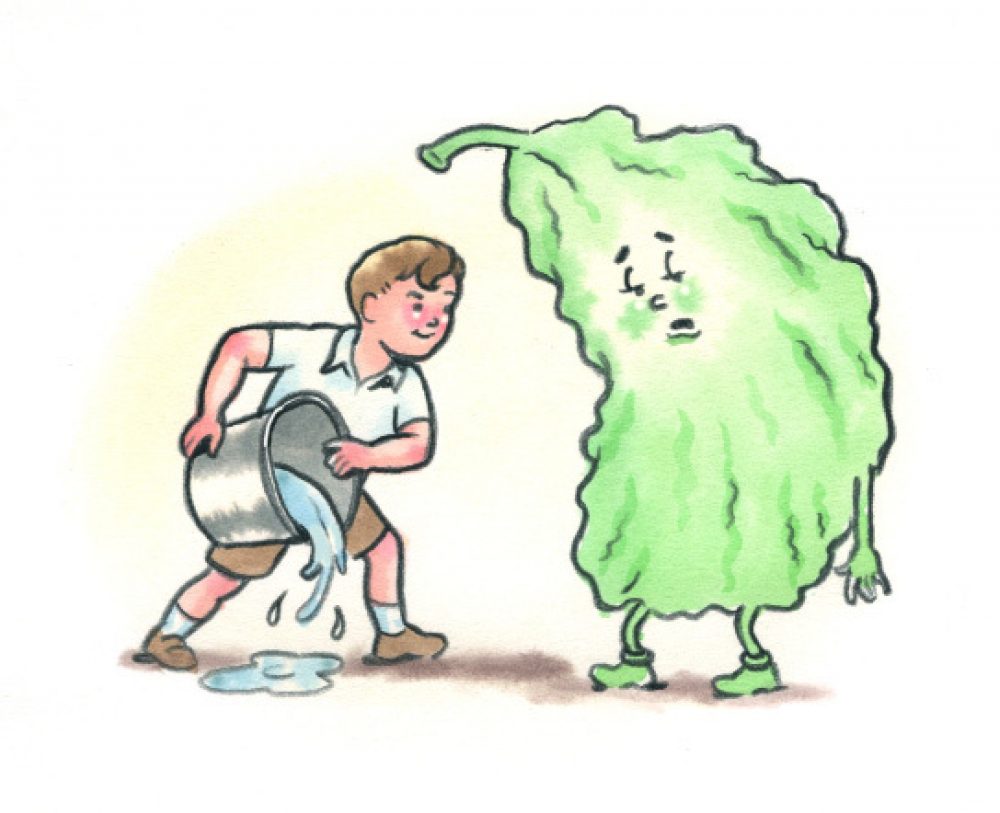
We often don’t get around to using fresh greens before they wilt. Luckily, the solution is simple: Replace the water the greens lost (the cause of wilting). As we researched the optimal way to do this, we got conflicting advice on the ideal water temperature to use. Some people advocate ice water, others warm. When we tested a variety of temperatures, the easiest turned out to be the most effective—tap water at cool room temperature. Neither ice nor warm water worked nearly as well. For best results, fill a large bowl with cool tap water and submerge the greens, giving them a gentle swish, then let soak for up to five minutes. After soaking, remove them and whirl away the remaining water in a salad spinner and/or pat dry with a towel.

Give It a Squirt
At home and at Milk Street, we always keep a spray bottle of water handy in the kitchen. A quick spritz on cut produce such as apples or avocados slows oxidation and browning. It’s also helpful for reheating leftovers—adding a little moisture before microwaving helps foods steam without becoming soggy. In baking, it’s terrific for moisturizing pie dough that’s too dry. And it’s the easiest way to revive a hardened baguette. Simply mist the loaf until damp, then pop it in a 375°F oven for 10 to 15 minutes, or until the crust is crispy and the interior soft. This technique is also effective for restoring the pliability of tortillas—they can be spritzed before reheating on the stovetop.
Is It Worth It? Air-Chilled Chicken
When shopping for chicken, consumers often must decide between conventional water-chilled and pricier air-chilled. The latter refers to a processing method that involves rapidly cooling the meat using cold air; water-chilling immerses chickens in cold water. The argument for air-chilling is that the bird’s natural moisture isn’t diluted by water, supposedly resulting in a firmer texture and crispier skin. We wondered whether it is worth the premium, so we cooked several supermarket chickens, both air- and water-chilled. When we roasted them, tasters surprisingly preferred the water-chilled chicken for its juicier texture and unexpectedly crispier skin. When we fried the chickens, taste differences were subtle, though the water-chilled still was preferred. So we say, chill out over air-chilled chicken.




