


Patch Your Pie Crust
Save your pie dough scraps! They are ideal for fixing problems with blind-baked pie crusts. Blind baking often involves weighing down the empty crust with pie weights, dried beans or rice. This helps minimize shrinking or buckling when blind baking. But even with careful handling, lifting out the weights sometimes reveals small holes or cracks in the pastry that would allow filling to seep through. Dough scraps—such as the bits you trim from the edges—offer an easy fix. We like to freeze them flat in a zip-close bag—not only does that save space in the freezer, it also allows the scraps to thaw quickly using just the heat of your hand. To patch your pie crust, before adding fillings, just break off a few bits of frozen dough, thaw them, then smooth them over any holes that have resulted during blind baking. Now fill and bake as normal.
Get Ready to Cook
Makes about
1½ cups
30 minutes

Supercharge Your Schmear... with Seltzer?
Could a splash of seltzer water really be the secret to lighter, fluffier cream cheese? We were dubious when we first heard about this from Sam Silverman (dubbed Brooklyn’s “Bagel Ambassador”). So we gave it a try and were surprised by the results. Our testing confirmed that whipping seltzer into cold cream cheese—we recommend using a stand mixer—significantly improves its texture, making it smoother, fluffier and easier to spread. Adding 3 tablespoons of plain seltzer water to an 8-ounce block of cream cheese resulted in a pleasantly spreadable consistency. Curious, we decided to try the same hack with cream cheese frosting and found that most of our tasters preferred frosting made with seltzer over heavy cream. Even after refrigeration, the seltzer-spiked frosting remained soft and spreadable, unlike the heavy cream version, which was more gluey and grainy.
Beat the Heat
When a recipe packs too much chili heat, how do you tame the flames? It depends. We tested four ways—adding sugar, acids, fats and dairy. Sugar creates a sensory distraction; it won’t reduce spiciness, but lessens its effect. It’s best in sauces that already have hints of sweetness, such as tomato. Acids neutralize alkaline capsaicin. They’re best in dishes improved by tangy flavors—e.g., a squeeze of citrus on a stir-fry. Dairy contains casein that binds to capsaicin, washing it away from taste receptors. Use where dairy can balance other flavors, such as sour cream on chili con carne. Fats dissolve capsaicin. Use them in dishes that also benefit from richness, such as coconut milk in a curry.
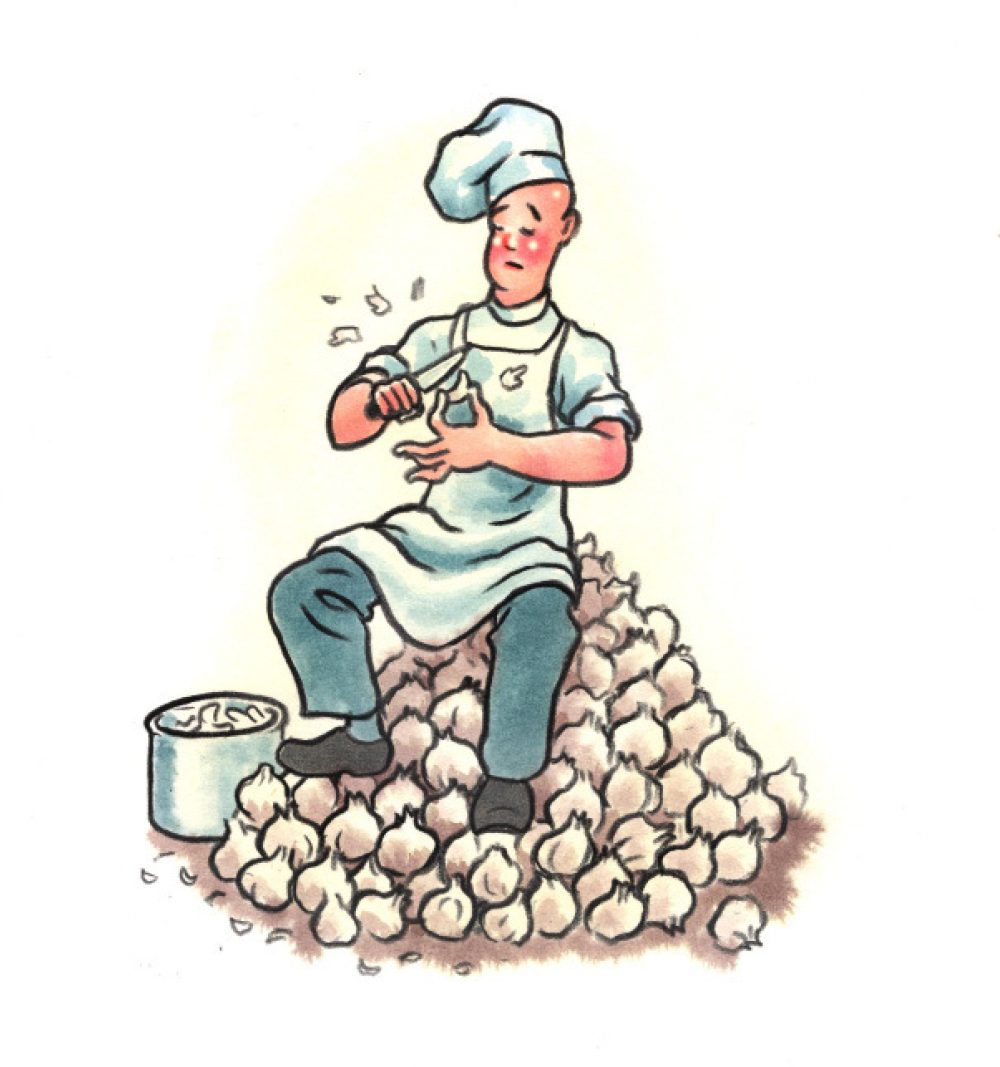
Is It Worth It? Peeled Garlic
Peeling garlic isn’t hard, but it can be a bother, especially when supermarkets offer ready-to-go peeled cloves. We wondered whether pre-peeled garlic loses anything in processing. In our tests of purchased peeled garlic versus garlic we peeled just before use, we found a few key differences. We used both to make toum (a fluffy puree of raw garlic), aglio e olio pasta and a garlicky glaze for pan-fried chicken. In all cases, freshly peeled garlic delivered sharper, more pungent flavor, while the pre-peeled offered milder, mellower flavor. And while tasters tended to favor the pungency of fresh, some actually preferred the mellowness of the pre-peeled. Why such a noticeable difference? When garlic is exposed to air, oxidation causes the volatile compounds responsible for garlic’s flavor to degrade, resulting in a milder taste. Ultimately, we found that for dishes where strong garlic flavor is essential, freshly peeled is best. But pre-peeled cloves are worthwhile if you prioritize convenience and don’t mind (or prefer) a milder garlic flavor.






